Sourcing catalog · Showcase 02
Brass ball valves, 1/2″ to 2″
Lever, butterfly and lockable bodies. We hold the moulds for this range, so the page is a specification rather than a stock list.
A ball valve is a hole with a handle until the day it has to hold. Three things decide whether it still holds after a thousand cycles: how round the ball is and how thick the chrome is, whether the seat is virgin PTFE or regrind, and whether the stem can be pushed out from below. None of that shows in a photograph, and all of it is a line on the quotation.
This range runs 1/2″ to 2″ in brass and nickel-plated brass, with lever, butterfly, lockable and handwheel operators. Threads are ISO 228 as standard, EN 10226 or NPT on request; the ends can be female–female, male–female or female with a union nut. Send the drawing and we will tell you within a day whether it is a standard body or a new mould.
What we can quote on this line
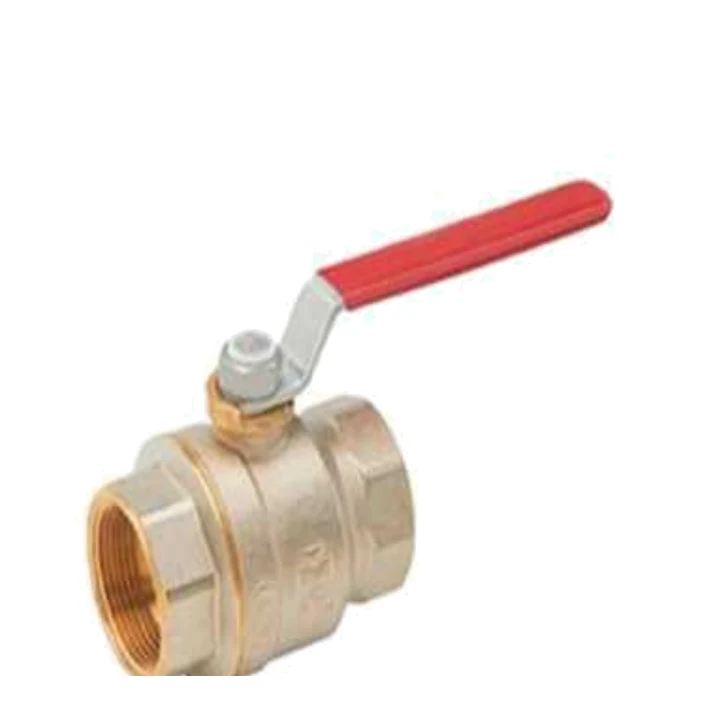
Lever-handle ball valves
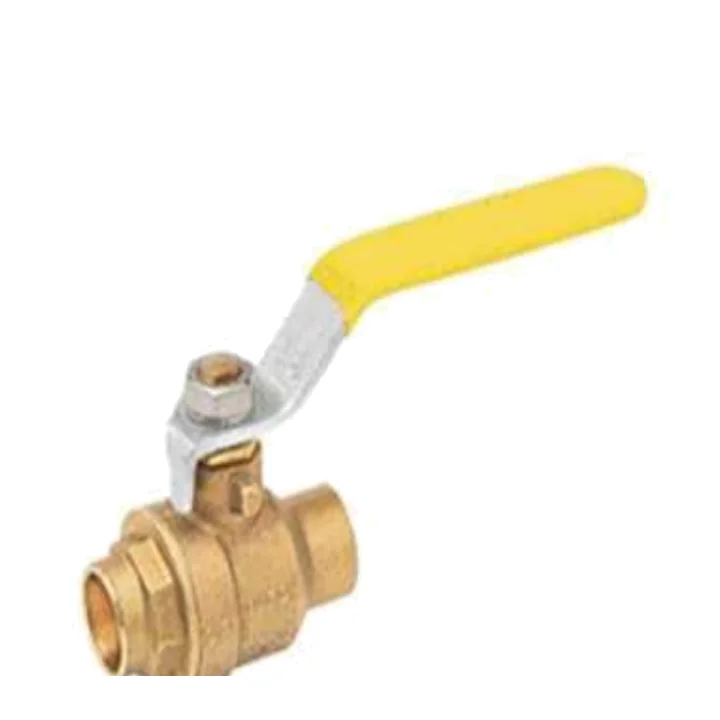
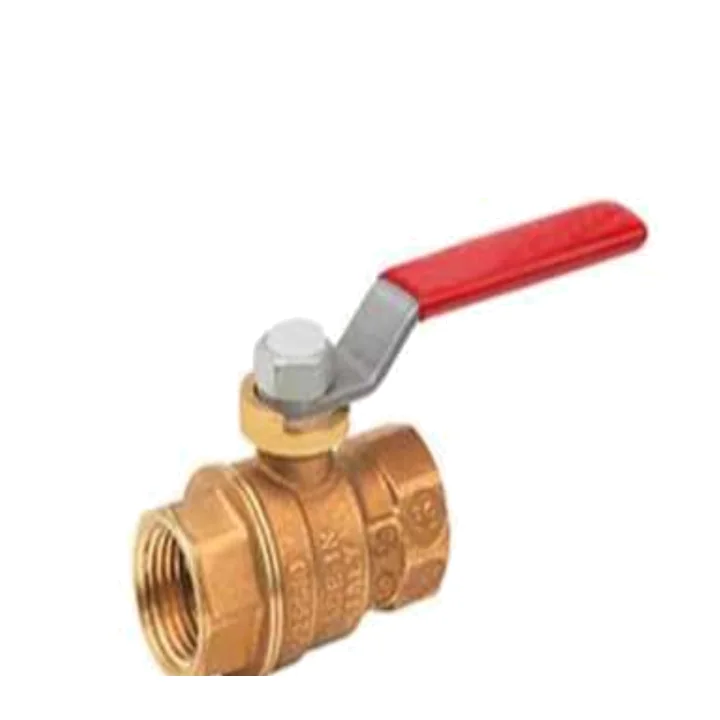
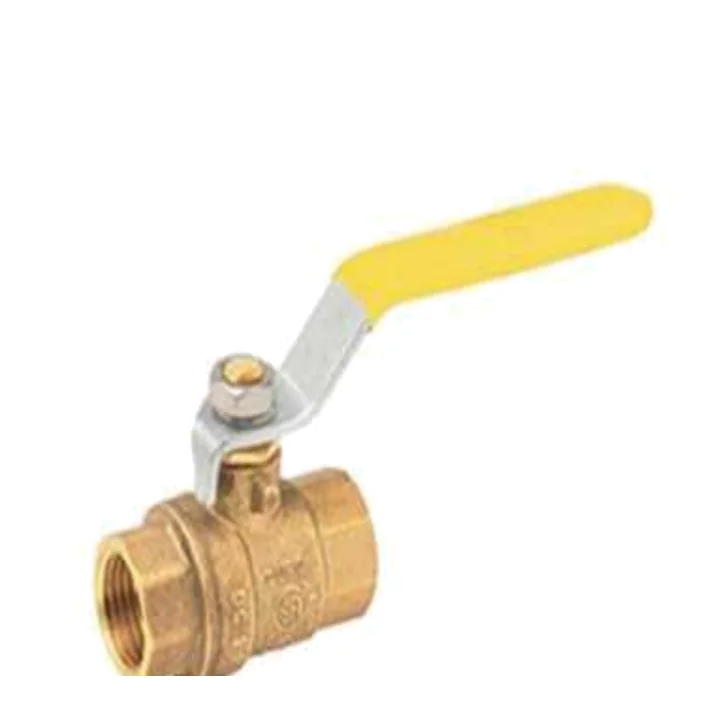
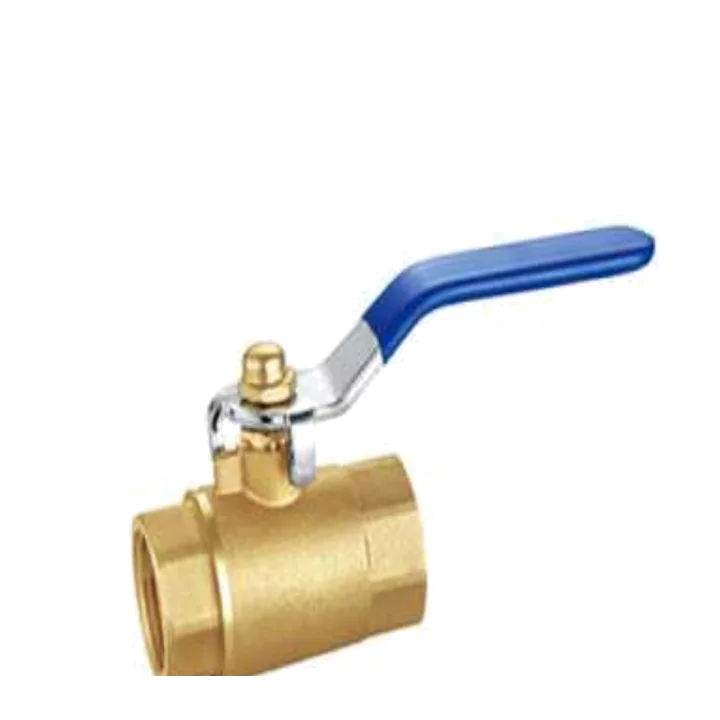
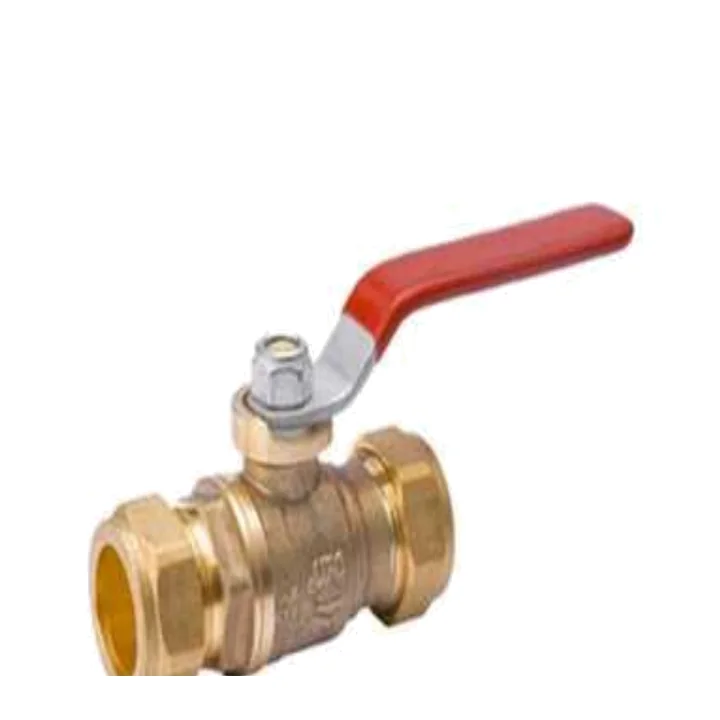
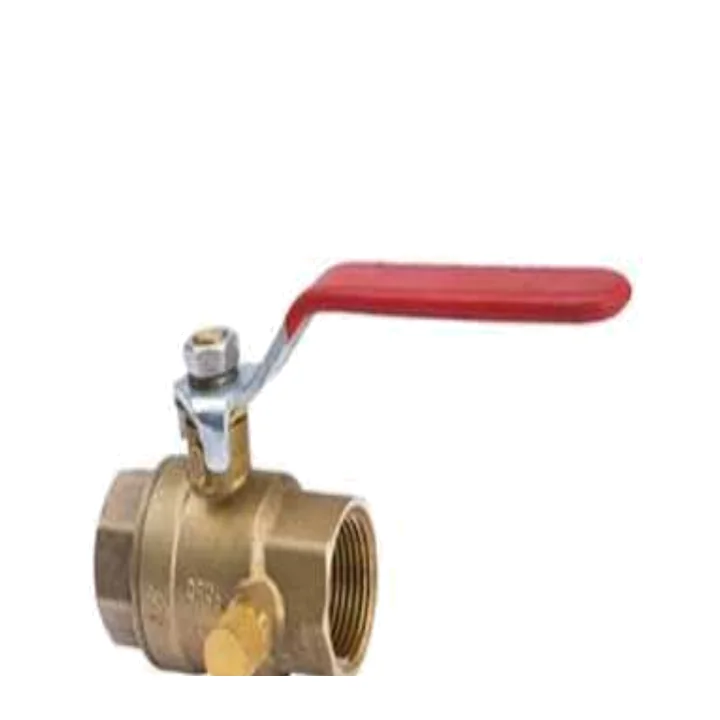
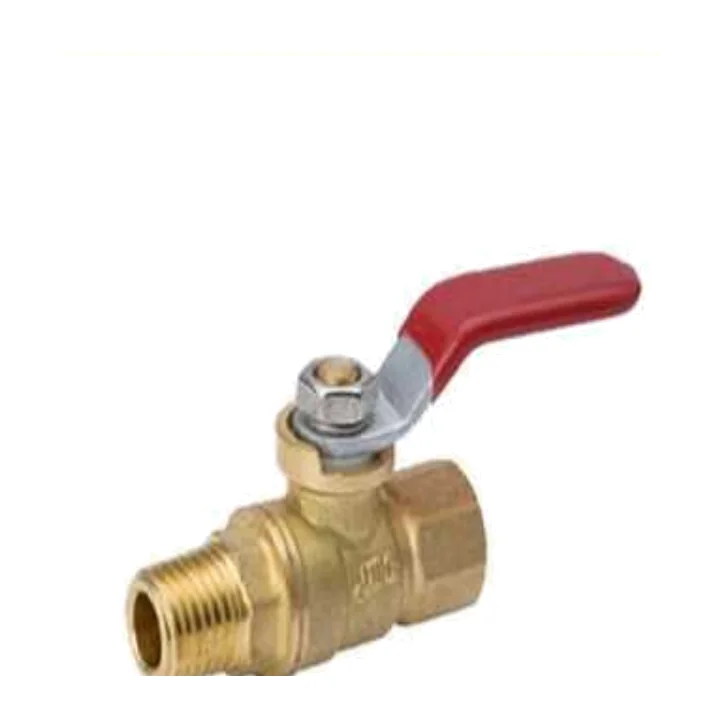
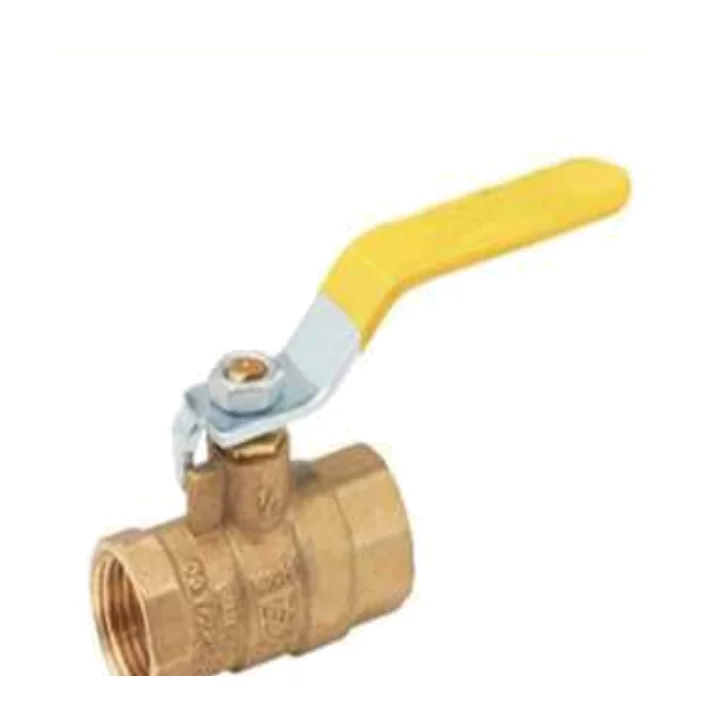
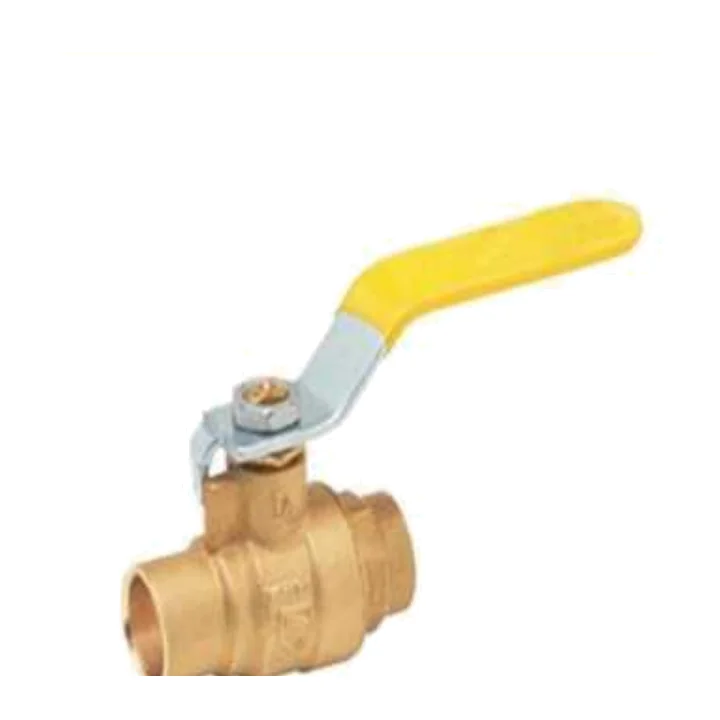
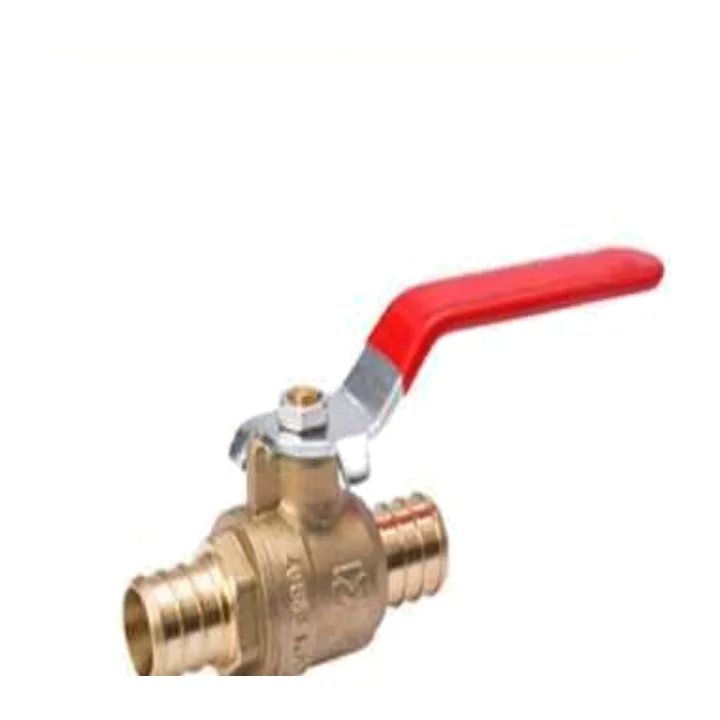
Full bore and reduced bore from 1/2″ to 2″, female–female, male–female or with a union nut. The lever colour is a mould insert, not paint, so it does not flake off in a plant room.
1/2″–2″ · PN16
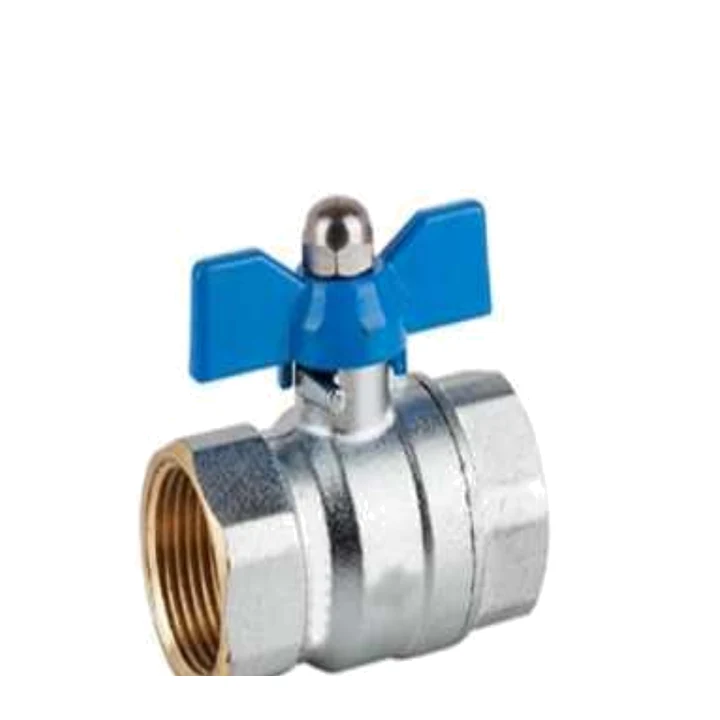
Butterfly-handle ball valves
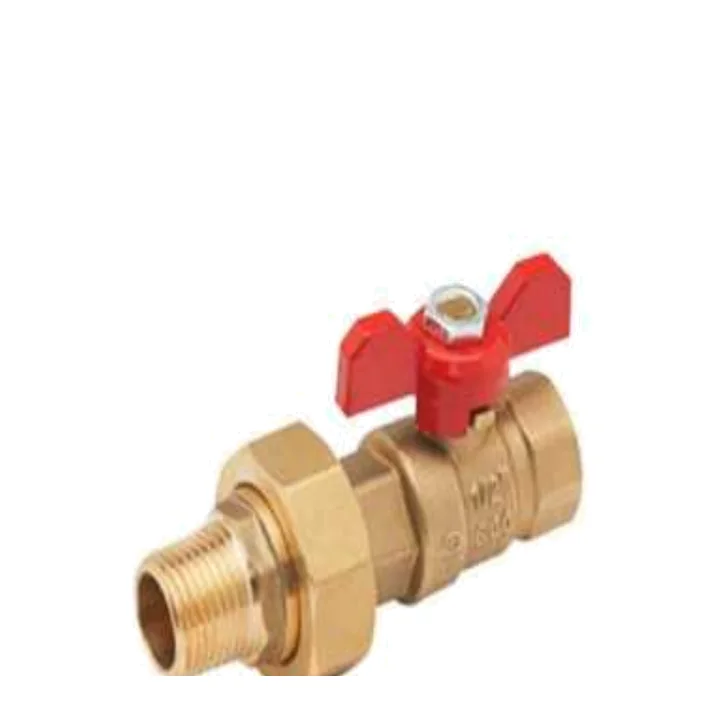
Nickel-plated body with a short butterfly lever, for cabinets and manifolds where a full lever would foul the pipe next door. Same seat and stem as the lever version.
1/2″–1″ · nickel
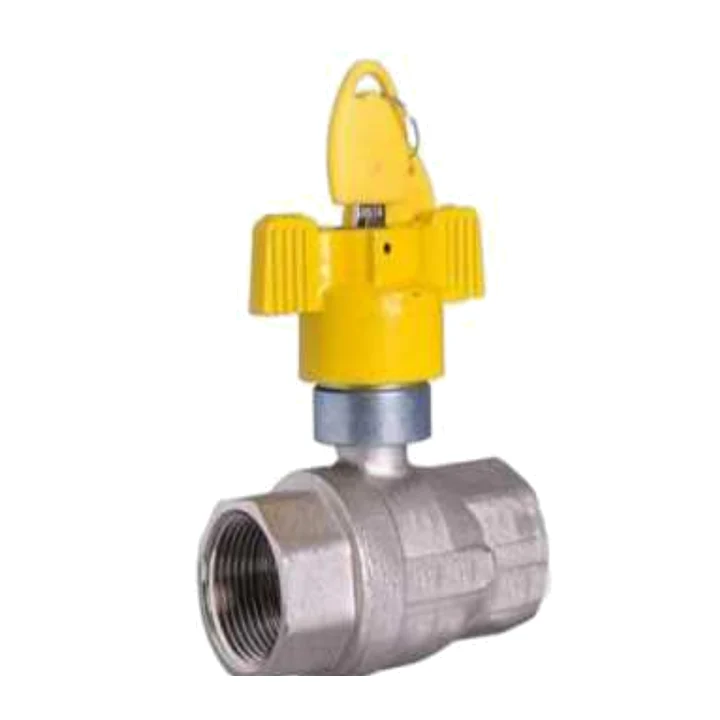
Lockable and handwheel versions
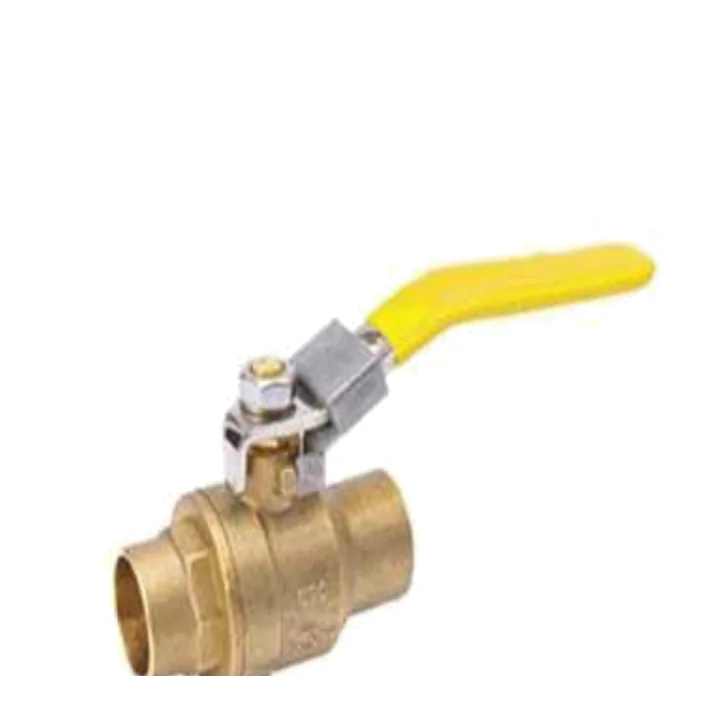
Butterfly with a padlock eye, cross handwheel, and a transparent knob — for valves that must not be turned by accident, or must show at a glance whether they are open.
1/2″–1″
The range, photographed
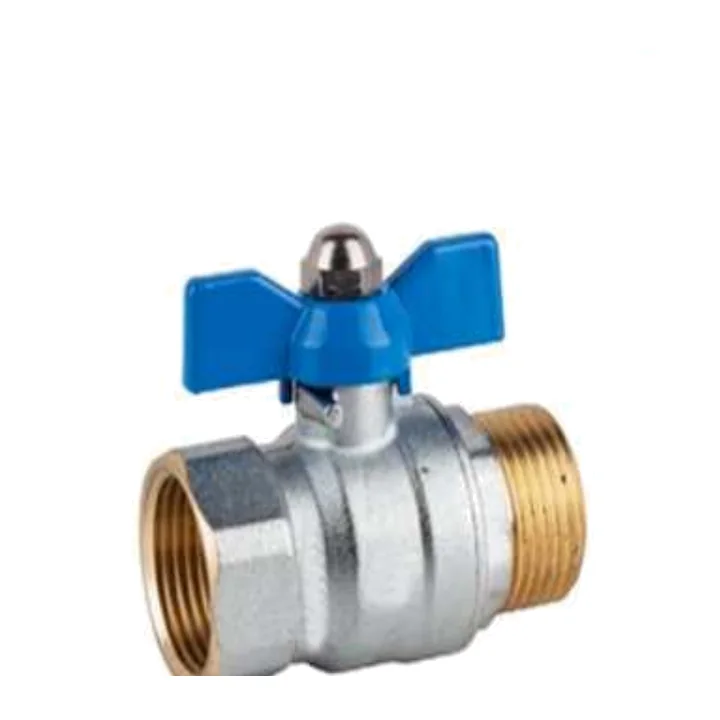
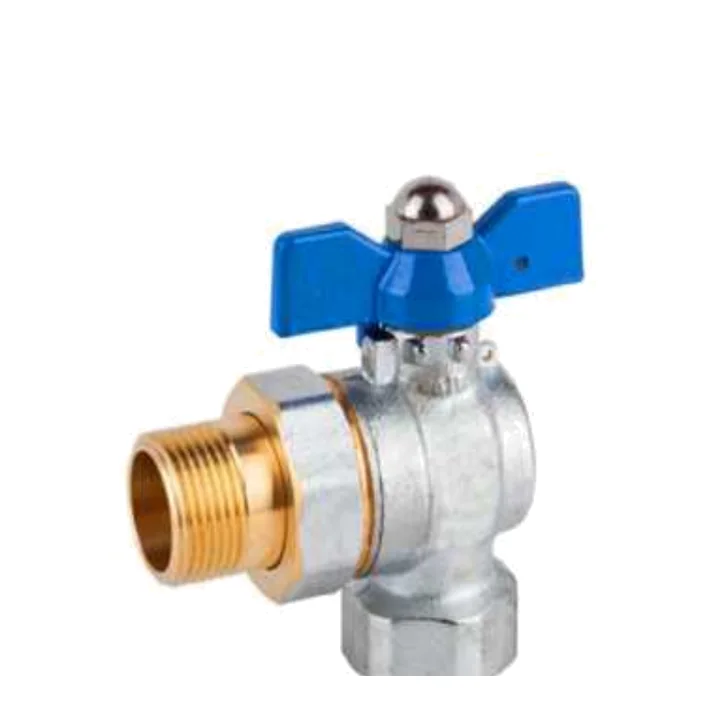
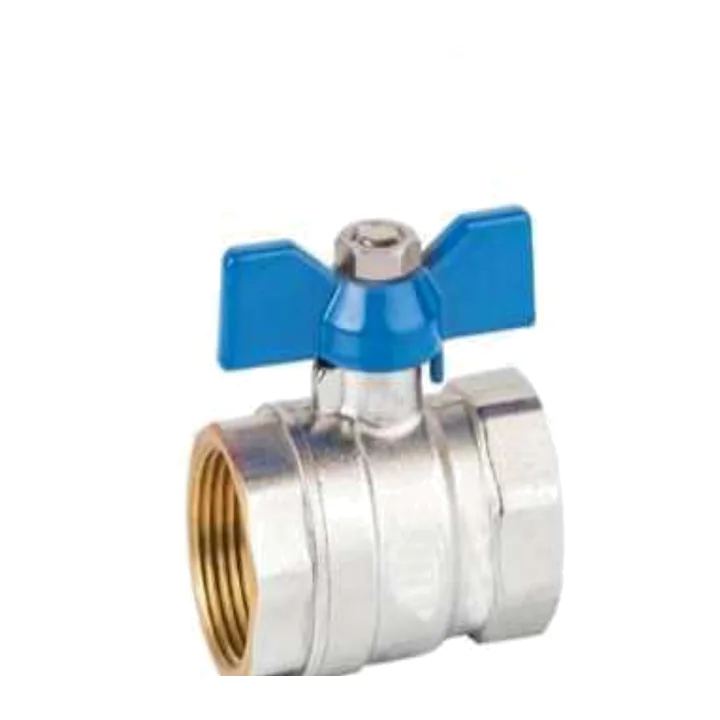
Catalogue shots of the bodies we can quote on this line — standard cores and standard finishes. A drawing can still change the ends, the handle or the plating.
Lever-handle
14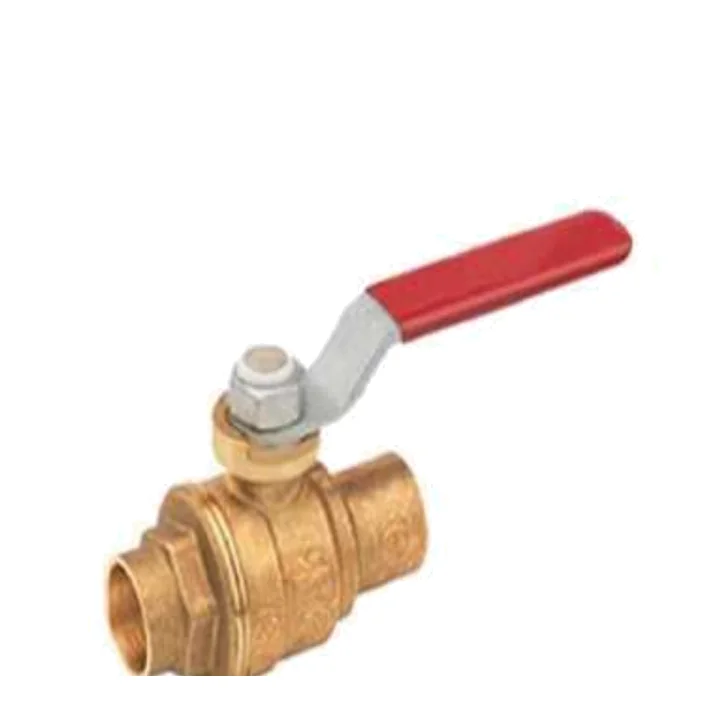
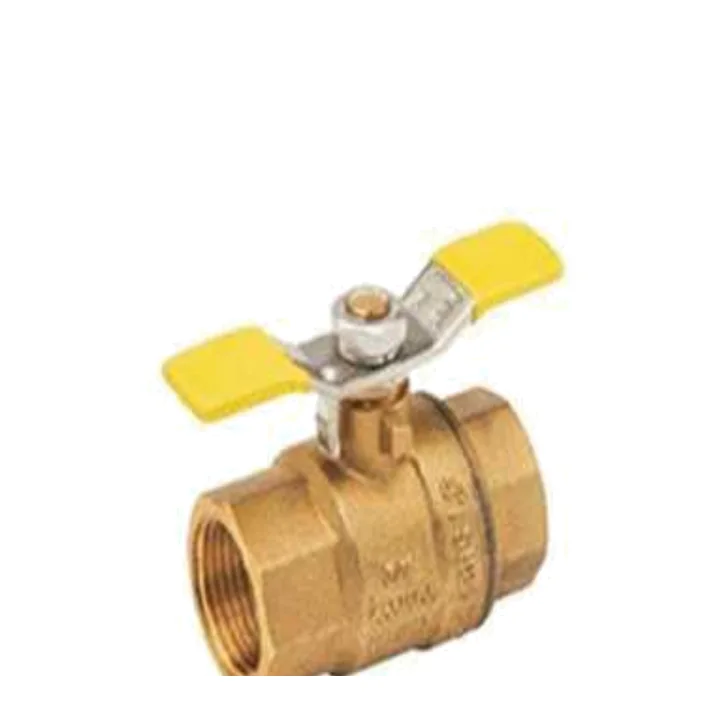
Butterfly-handle
06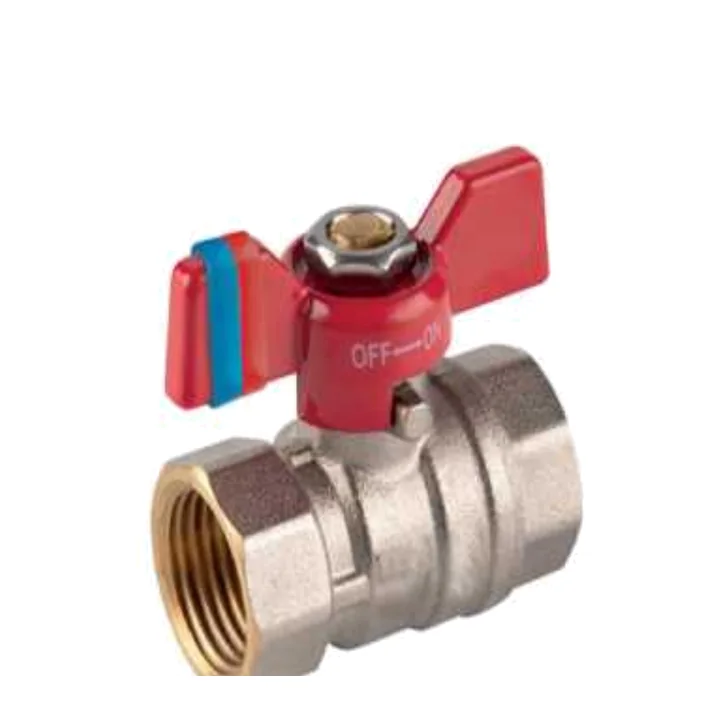
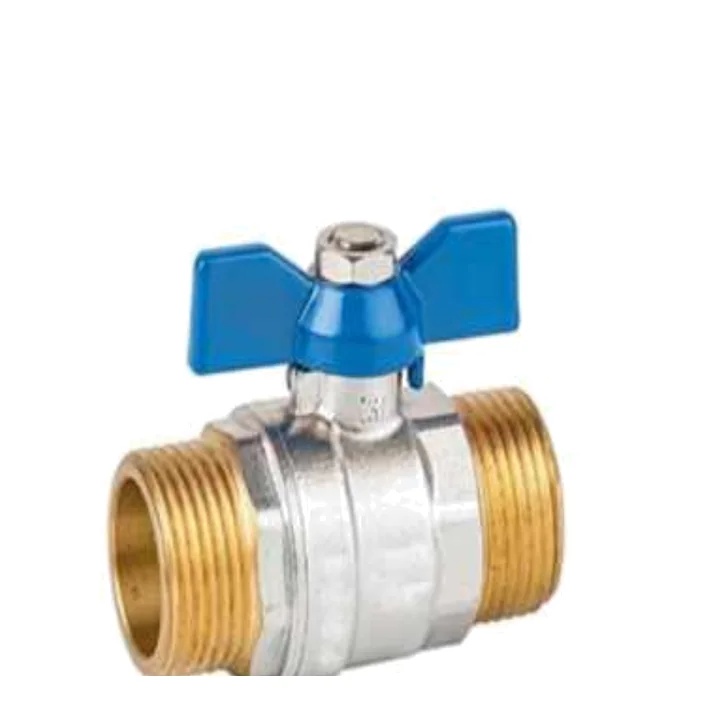
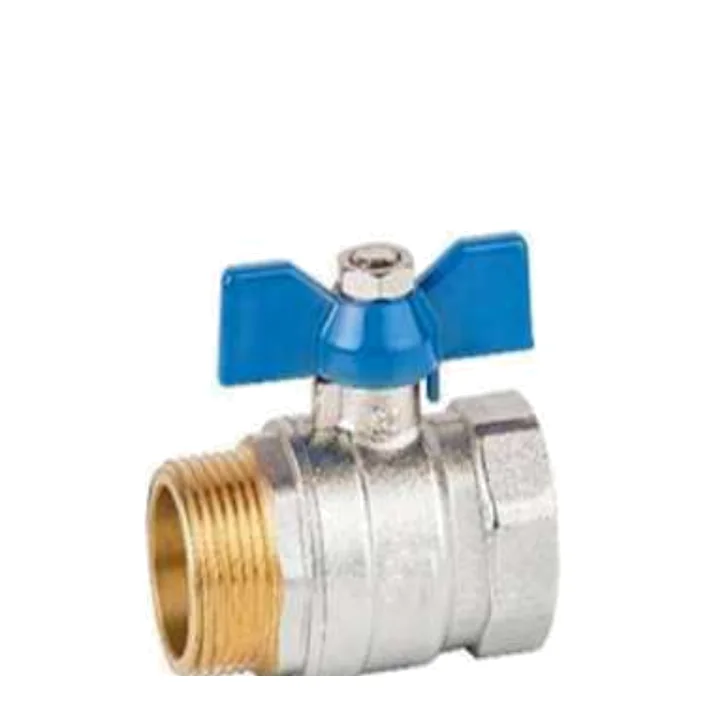
Lockable and handwheel
05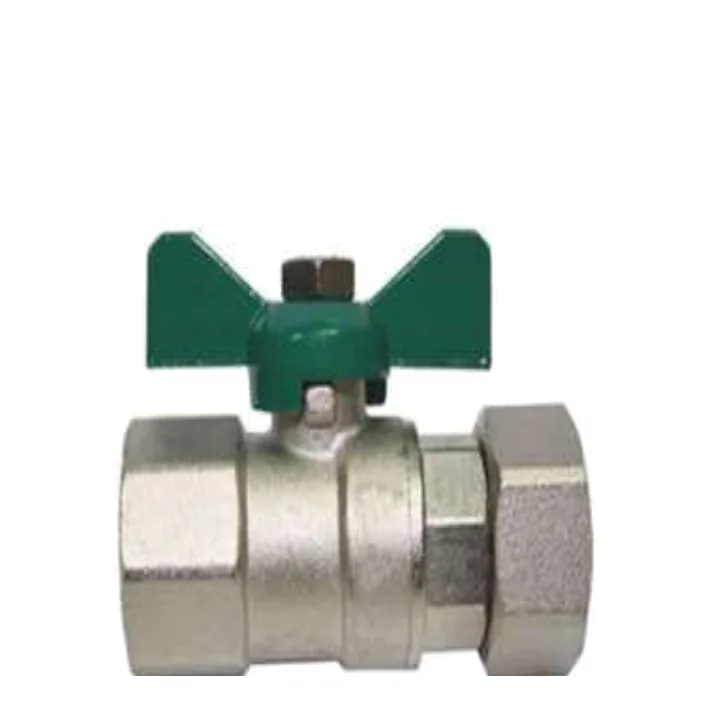
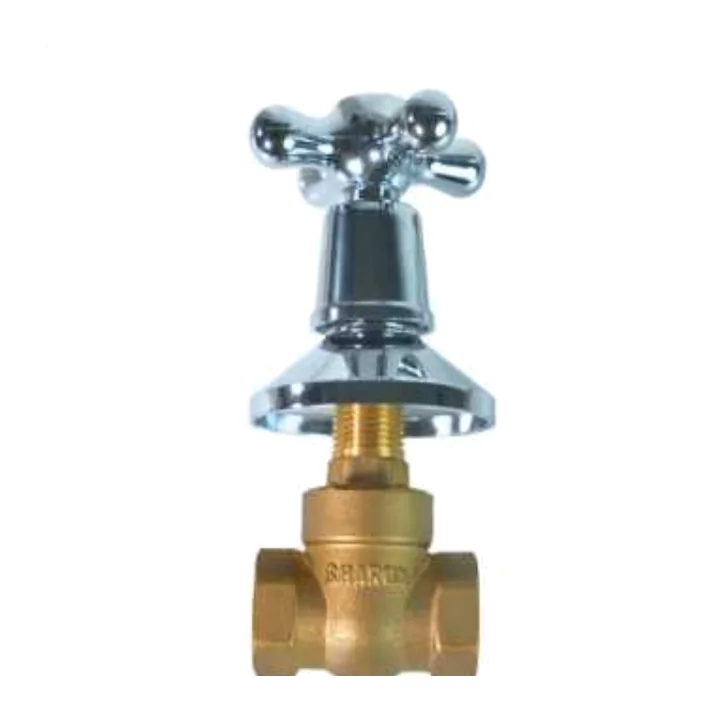
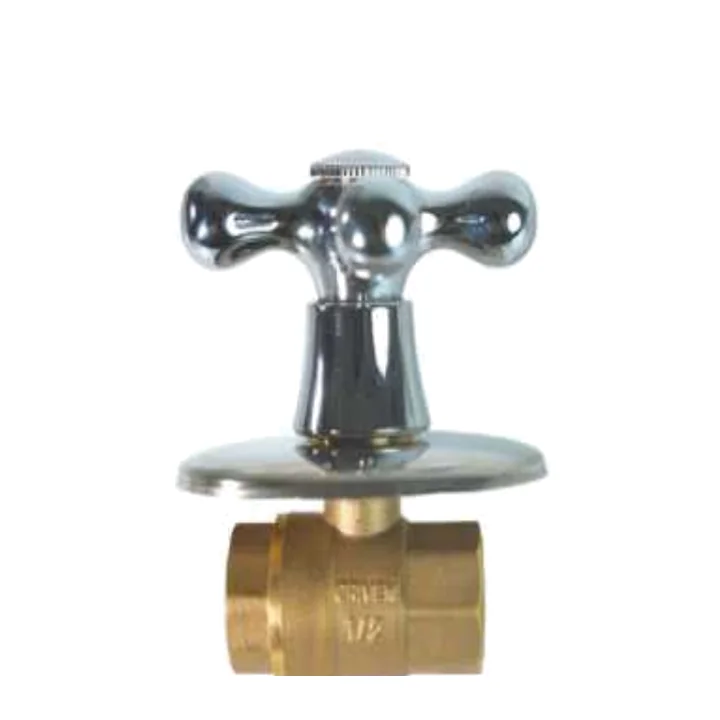
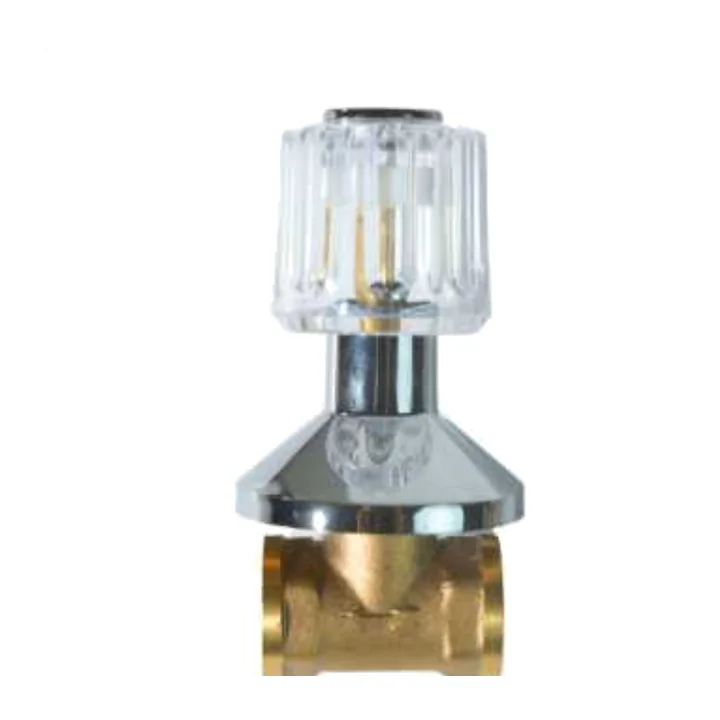
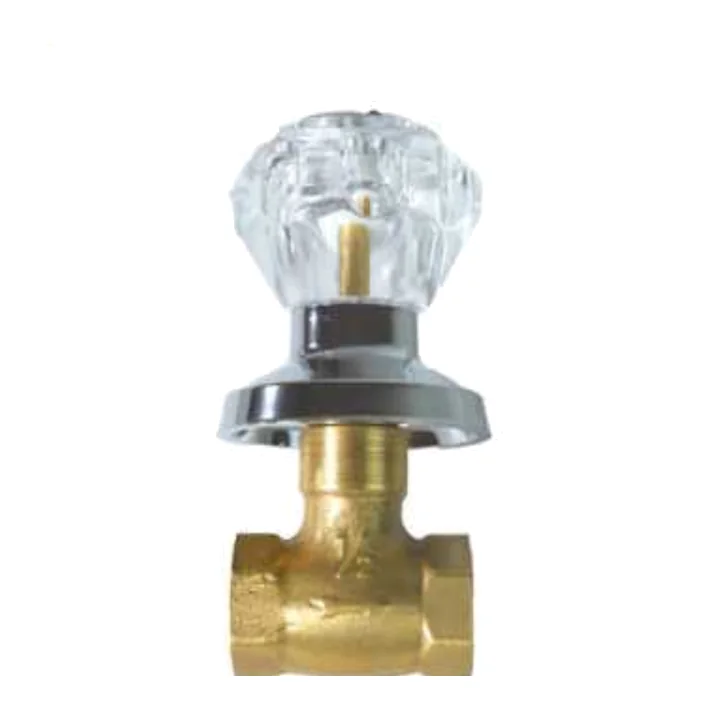
Standard specification
| Standard specification | Lever | Butterfly | Lockable |
|---|---|---|---|
| Body alloy | CW617N (EN 12165) | CW617N, nickel-plated | CW617N (EN 12165) |
| Ball | Brass, chrome-plated | Brass, chrome-plated | Brass, chrome-plated |
| Seat | PTFE | PTFE | PTFE |
| Stem seal | Double O-ring, EPDM | Double O-ring, EPDM | Double O-ring, EPDM |
| Stem | Blow-out proof | Blow-out proof | Blow-out proof |
| Sizes | 1/2″–2″ (DN15–DN50) | 1/2″–1″ (DN15–DN25) | 1/2″–1″ |
| Bore | Full or reduced | Full bore | Full bore |
| Thread | ISO 228 · EN 10226 · NPT | ISO 228 · EN 10226 | ISO 228 |
| Ends | F/F · M/F · union nut | F/F | F/F · M/F |
| Nominal pressure | PN16 · PN25 to 1″ | PN16 | PN16 |
| Temperature | −20…120 °C | −20…120 °C | −20…120 °C |
| Media | Water, glycol ≤50%, dry air | Water, glycol ≤50% | Water, glycol ≤50% |
| Operator | Lever, three colours | Butterfly lever | Padlock eye · handwheel |
What we check before it ships
The ball, not the word “chrome”
Chrome thickness is read off a coupon from the same bath. Under about 0.25 µm the ball pits within a heating season; we ask for the plating report rather than a sample.
Seat compound
Virgin PTFE machines clean and holds to 120 °C. Regrind looks identical, creeps under load and starts weeping at 90 °C. One seat per lot is cut open.
Stem retention
The stem has to go in from inside the body, so line pressure cannot push it out. A stem that drops in from the top is a lever waiting to become a projectile.
Torque and leak
Every valve is cycled, torqued and pressure-tested, and the reading is recorded against the lot — a stiff batch is caught before it reaches a manifold.
These are the standard figures for this line, not a stock list. Plating, handle colour and packing move the price; we quote against your drawing.
All categoriesYour product is not on the list?
These sixteen are the lines we run most often, not the limit of what we can source. Send a photo, a drawing, or the item you buy today.