Sourcing catalog · Showcase 01
Brass fittings and valves for HVAC
Manifolds, mixing valves and balancing valves. We hold tooling and assembly resources on this line, and we read the hydraulic drawing before we quote it.
A brass manifold is a part until the day it becomes part of a heating system. What decides whether it survives ten winters is not the shape of the body but three things that rarely appear on a quotation: the alloy (CW617N resists dezincification, H58 does not), how the thread was cut, and whether the EPDM was peroxide-cured or sulphur-cured. Two suppliers can both write “brass, PN16” and be selling two different products.
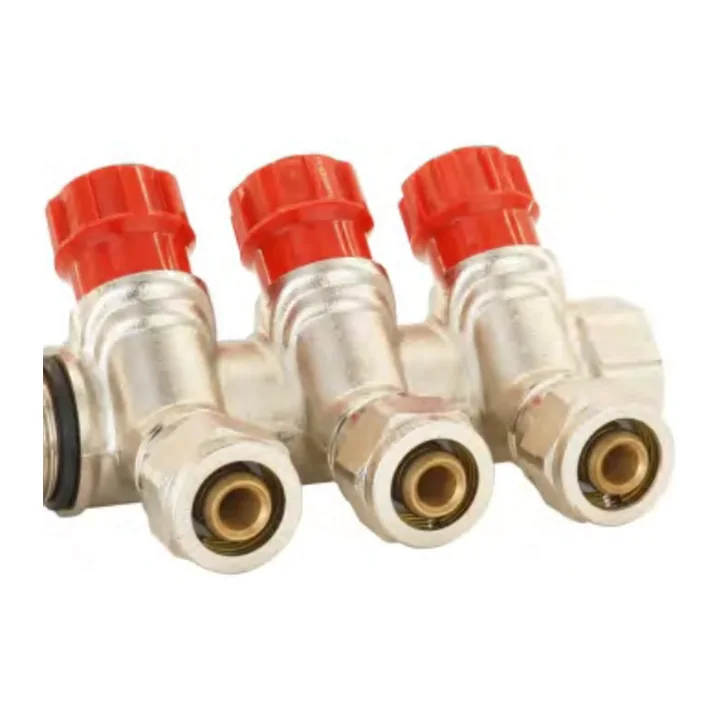
For manifold bars, thermostatic mixing valves and screw-down balancing valves we have moulds and assembly. The usual specification runs 3/4″ to 1″ main, 1/2″ branches on 36, 38 or 40 mm centres, and a G1/4″ test port so a circuit can be measured without being opened. Send the drawing and we will tell you within a day whether it is a standard body or a new mould.
What we can quote on this line
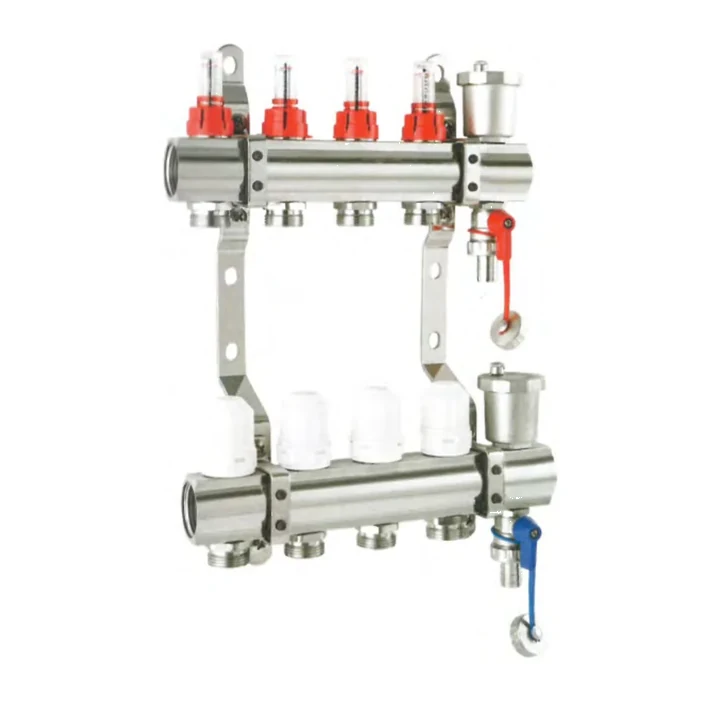
Manifold assemblies
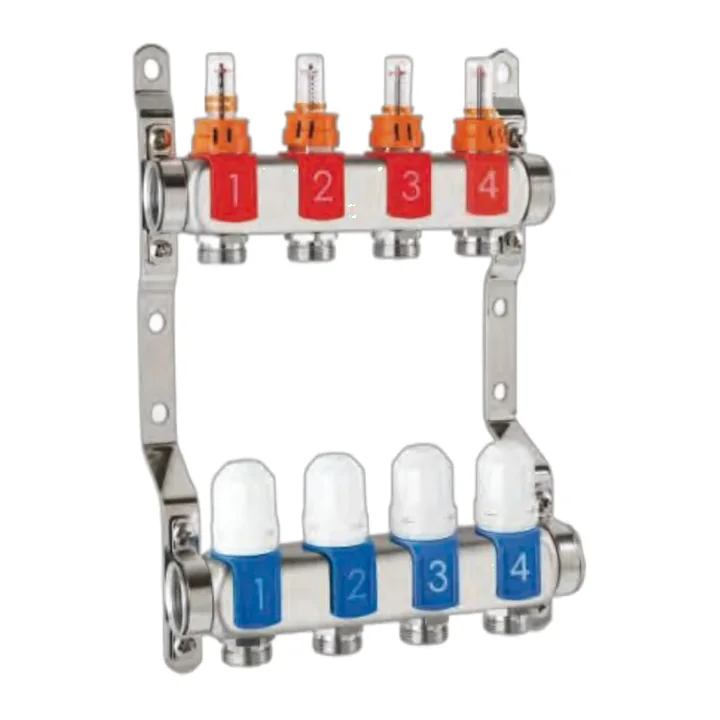
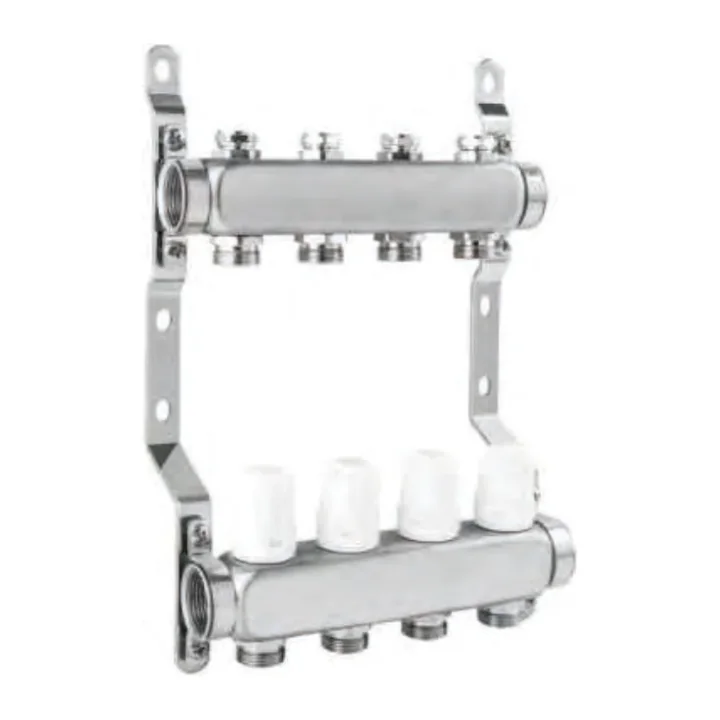
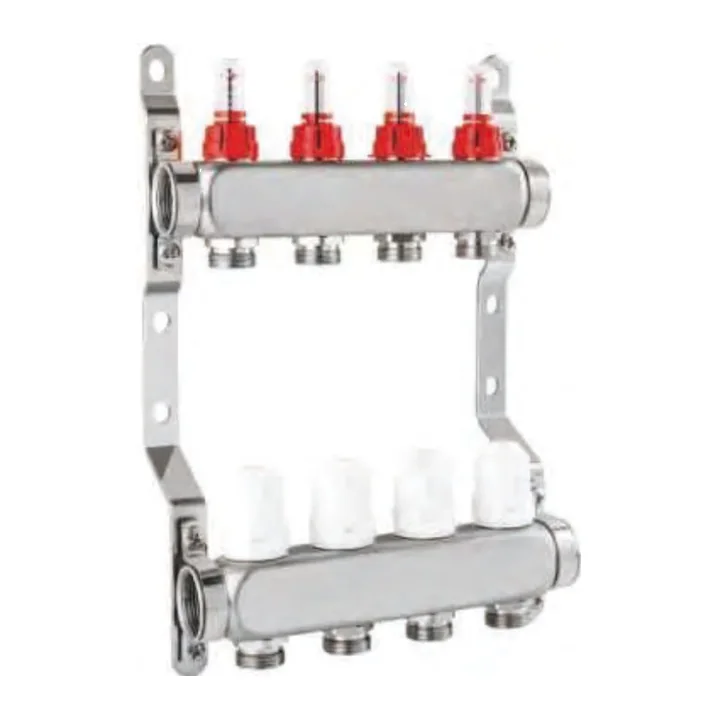
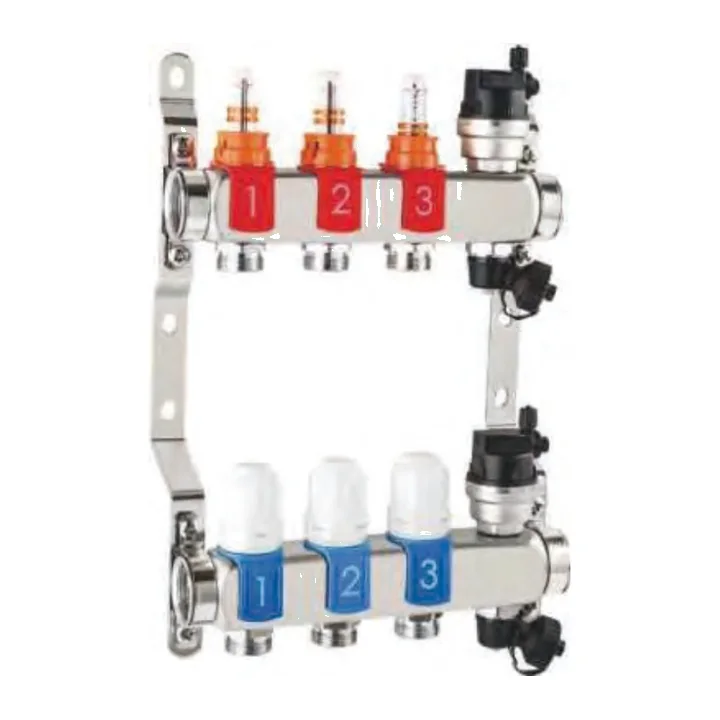
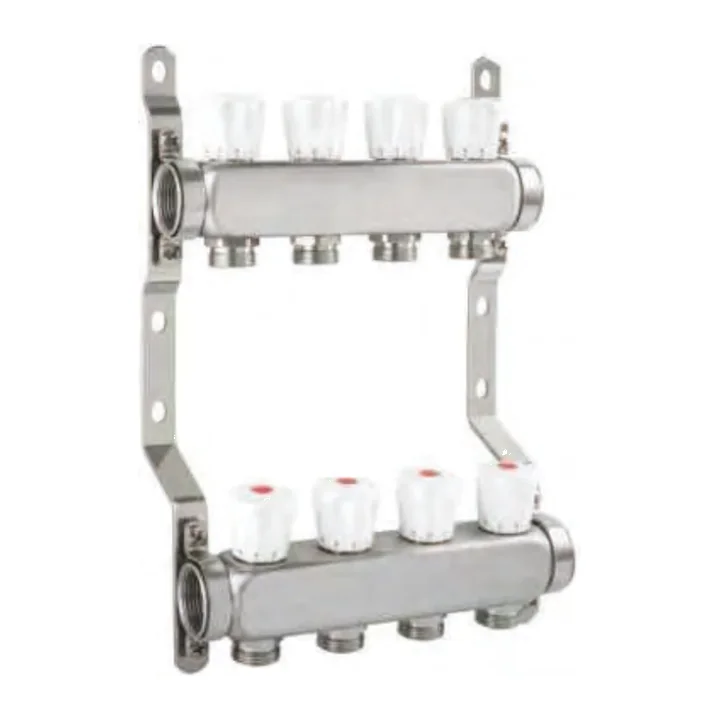
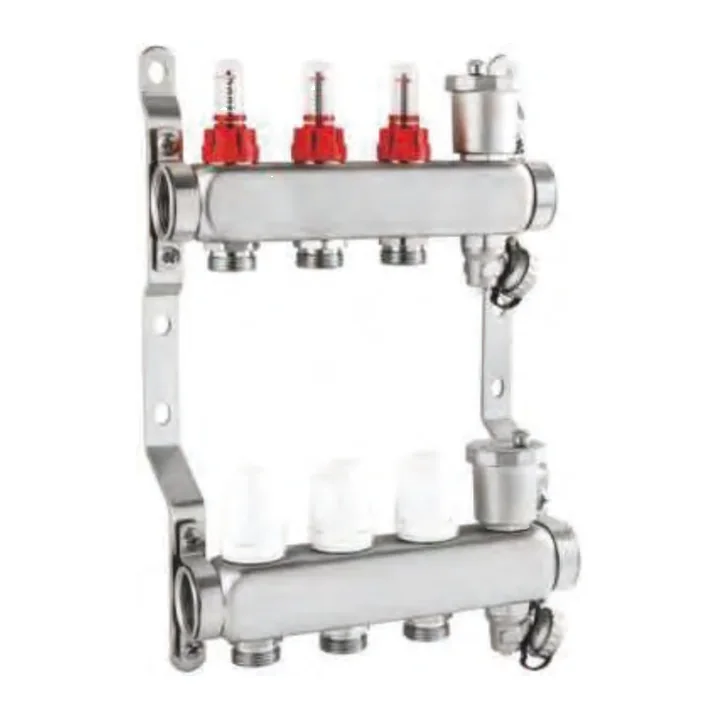
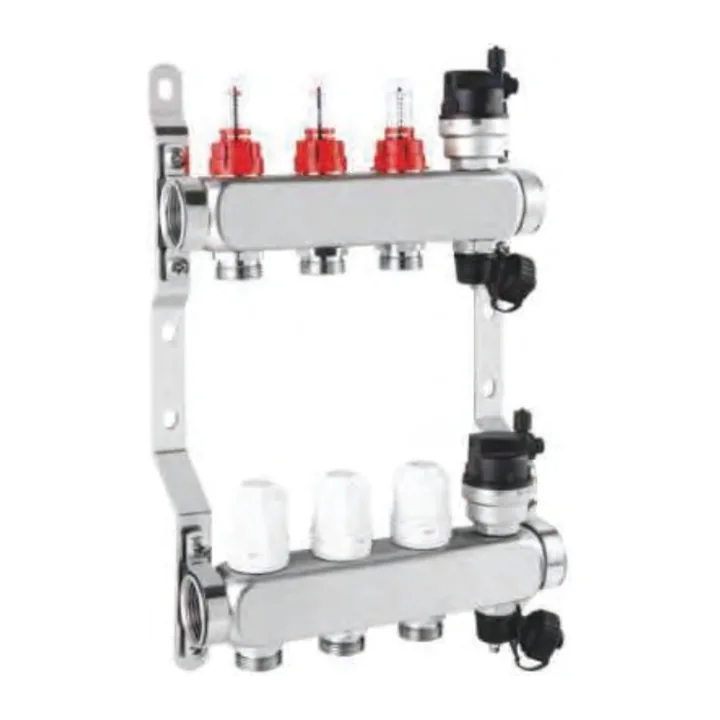
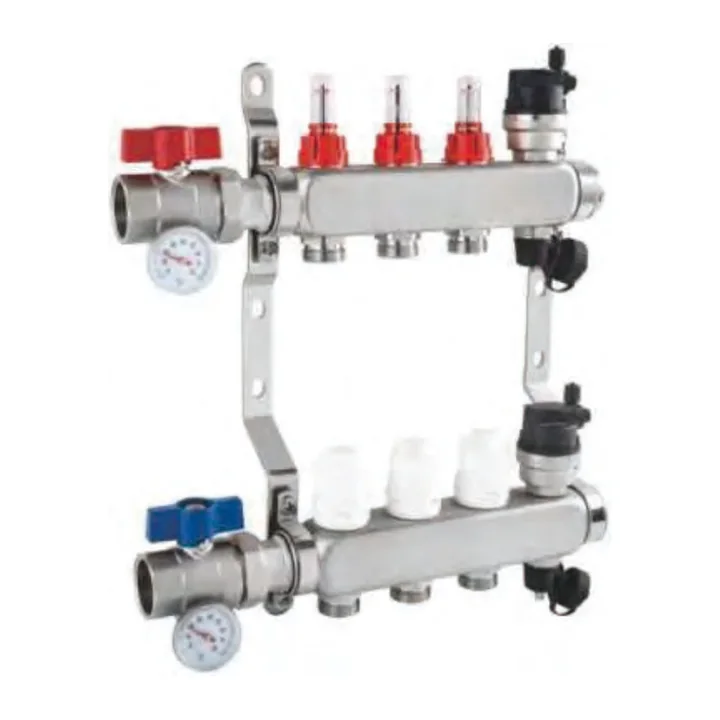
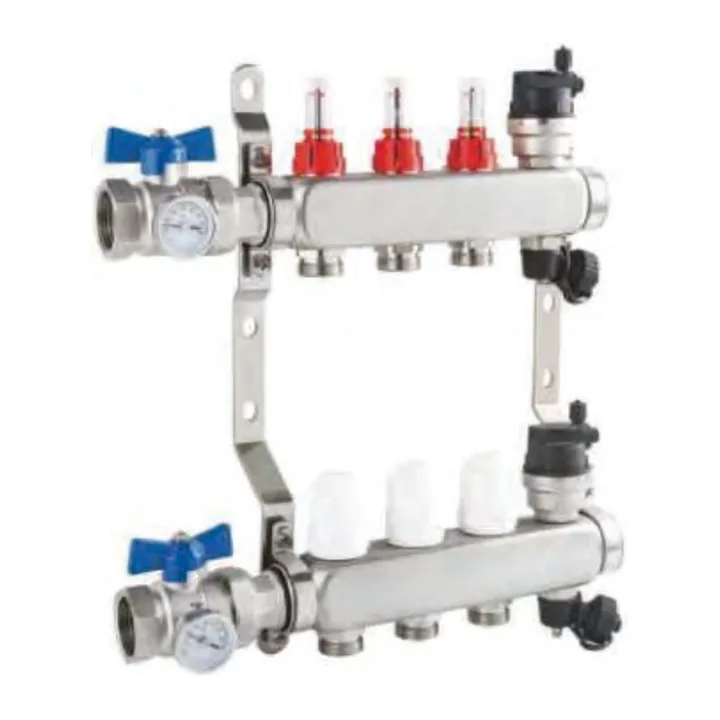
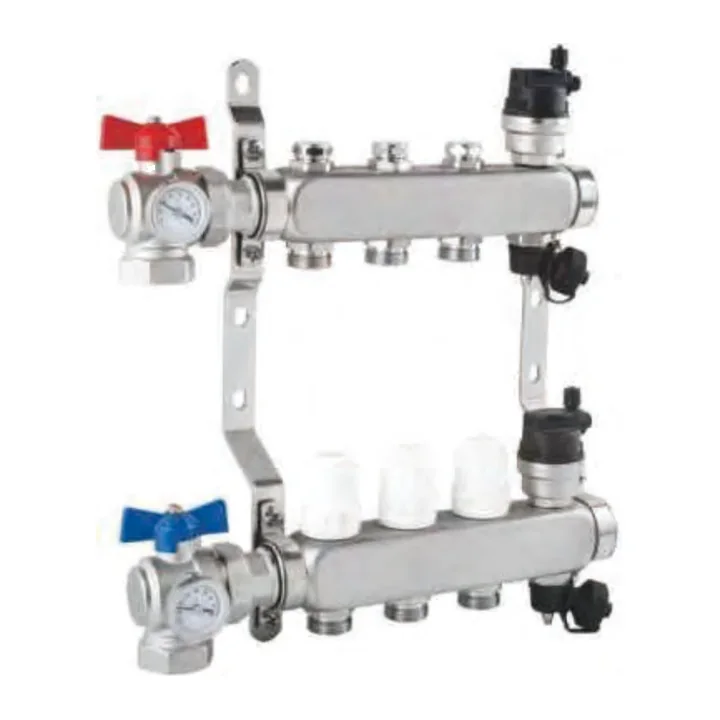
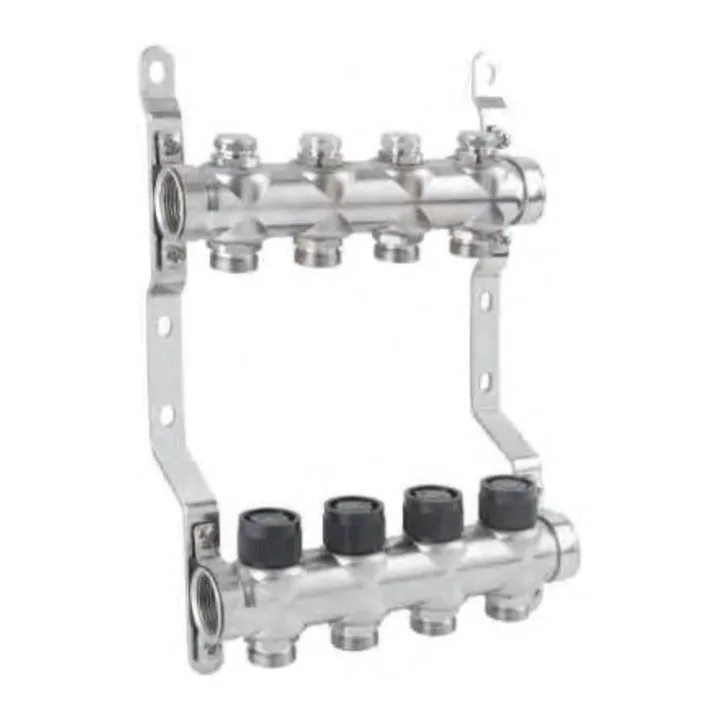
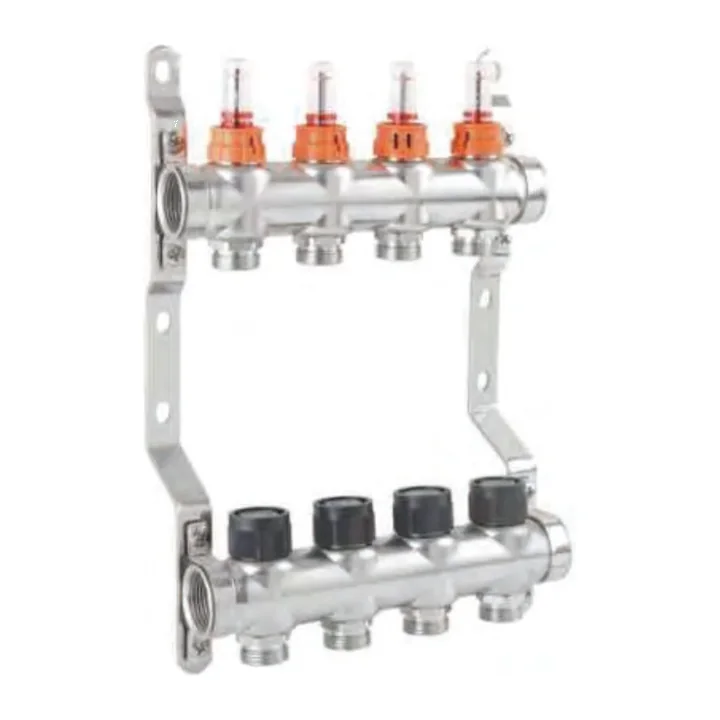
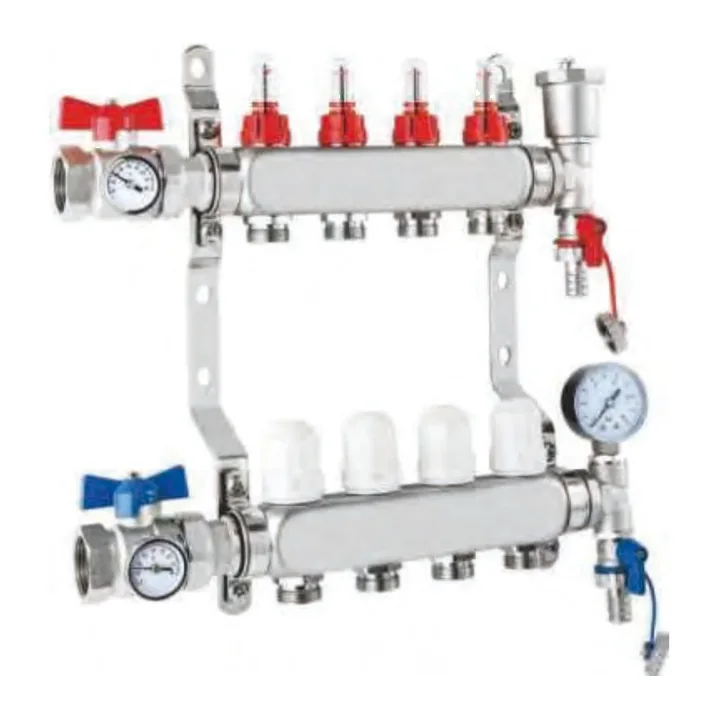
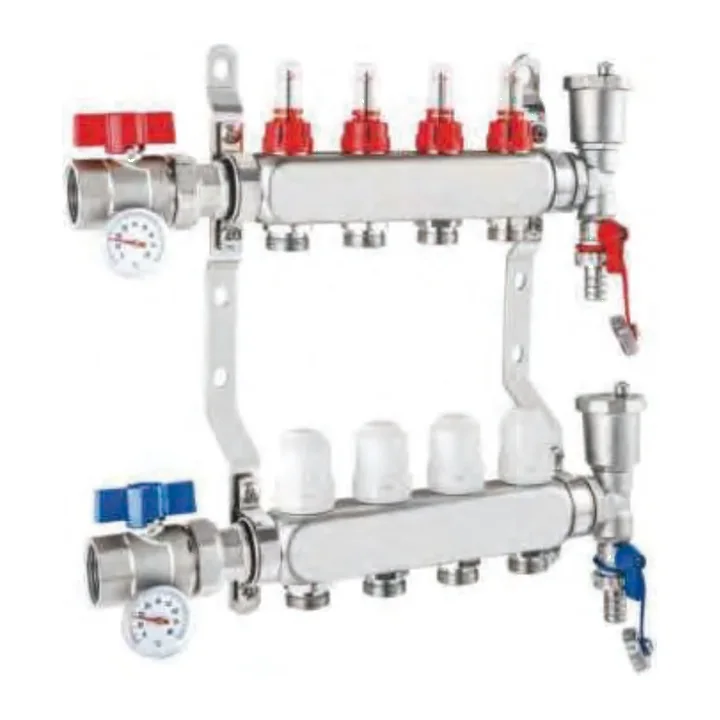
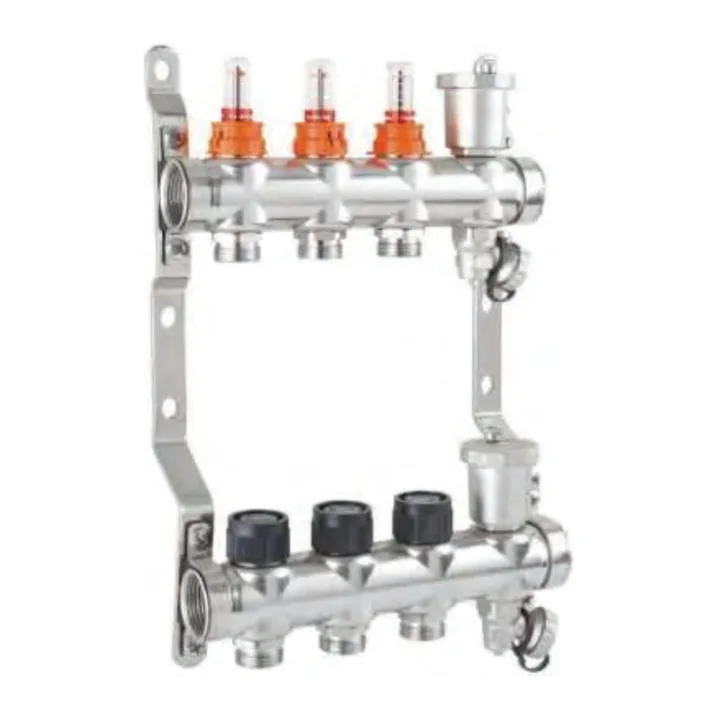
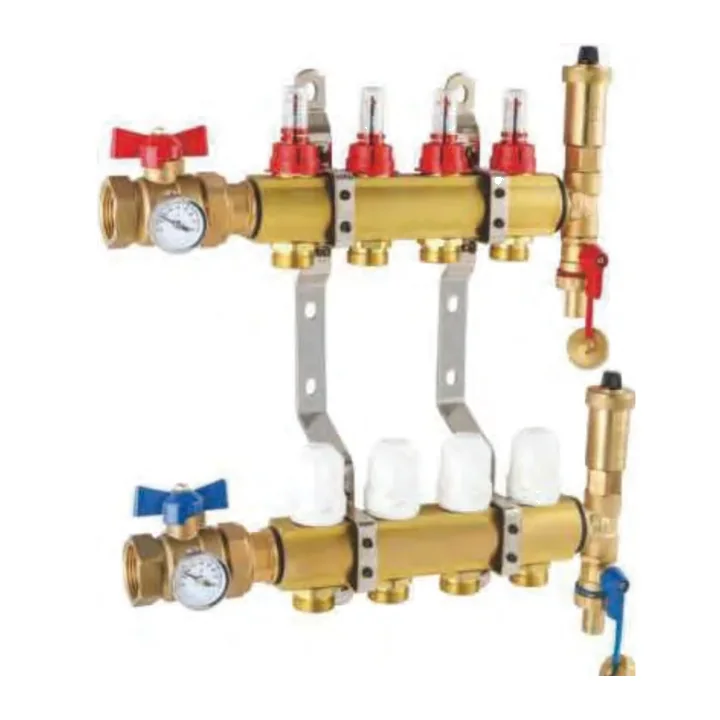
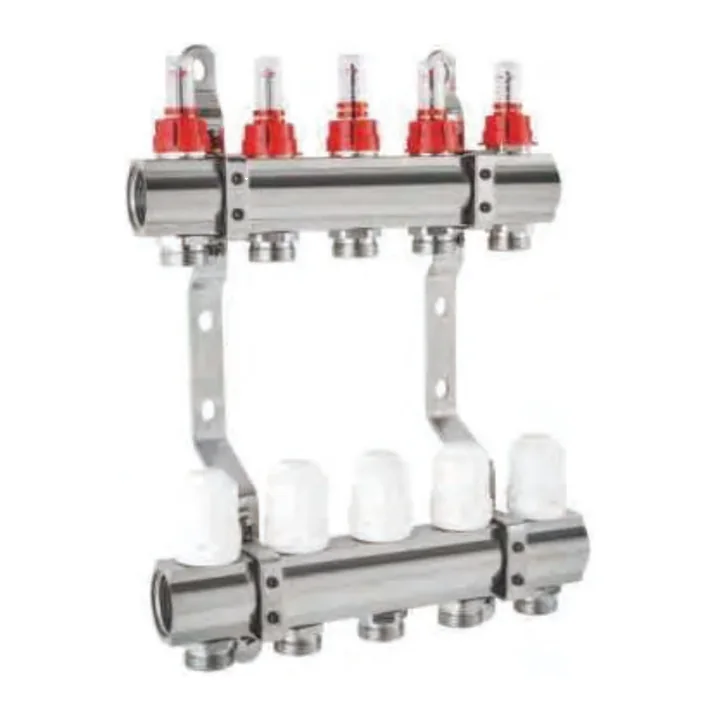
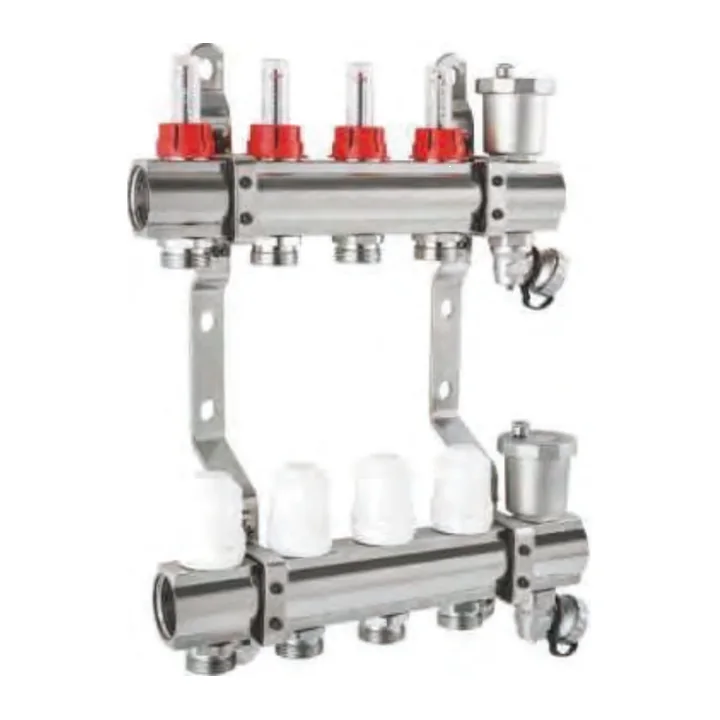
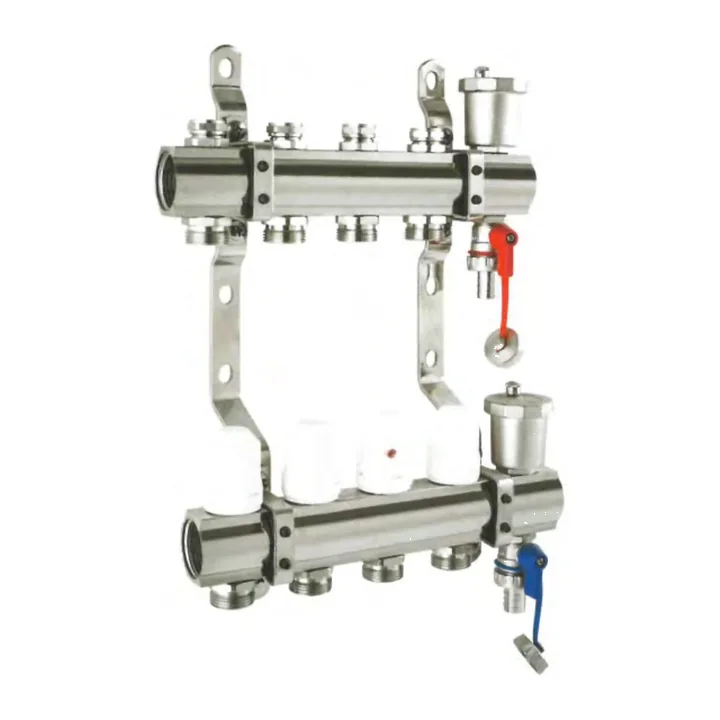
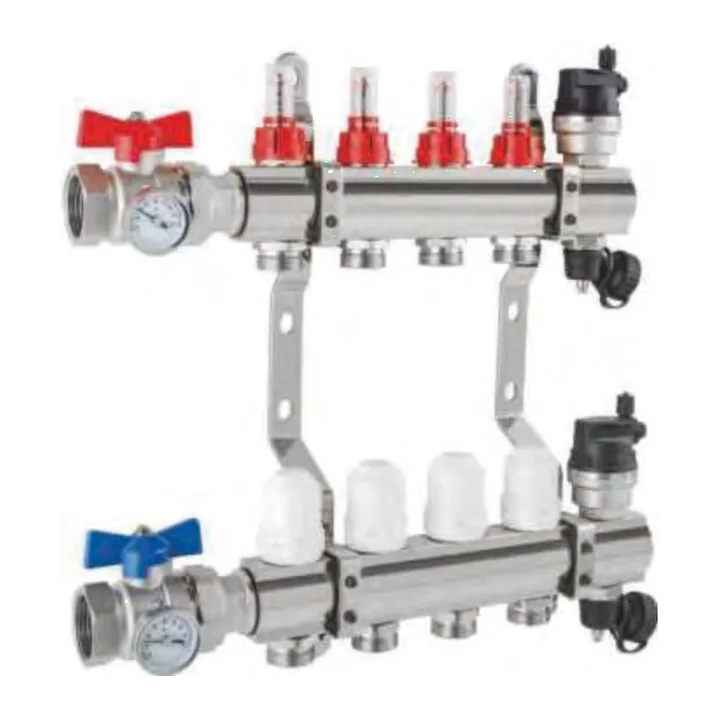
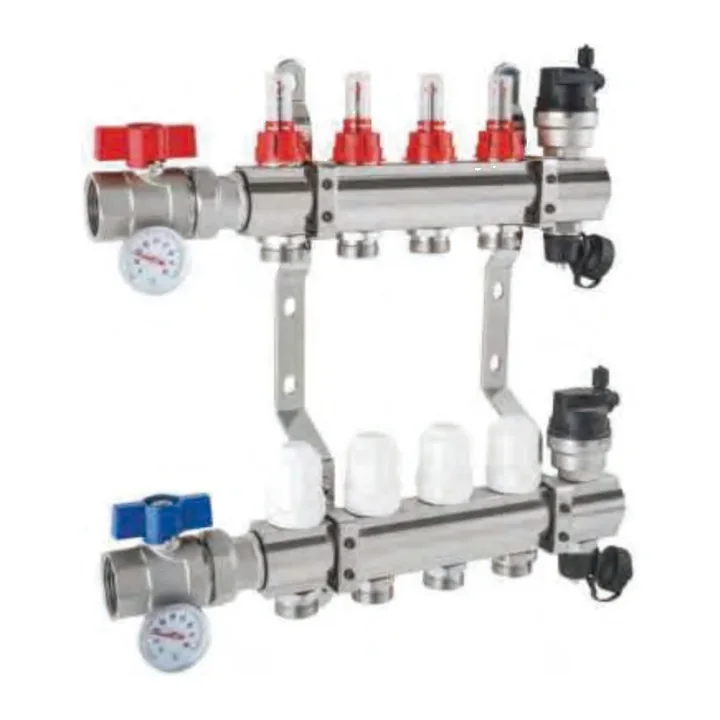
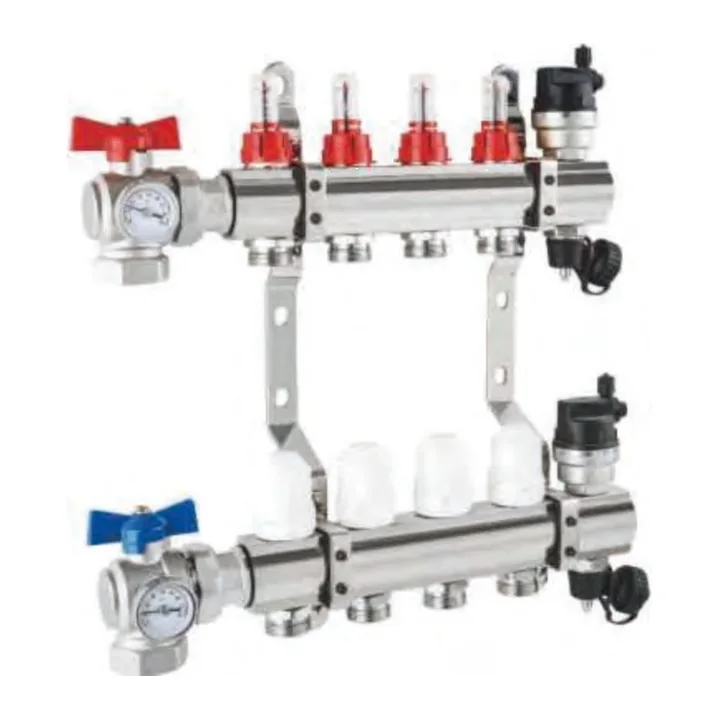
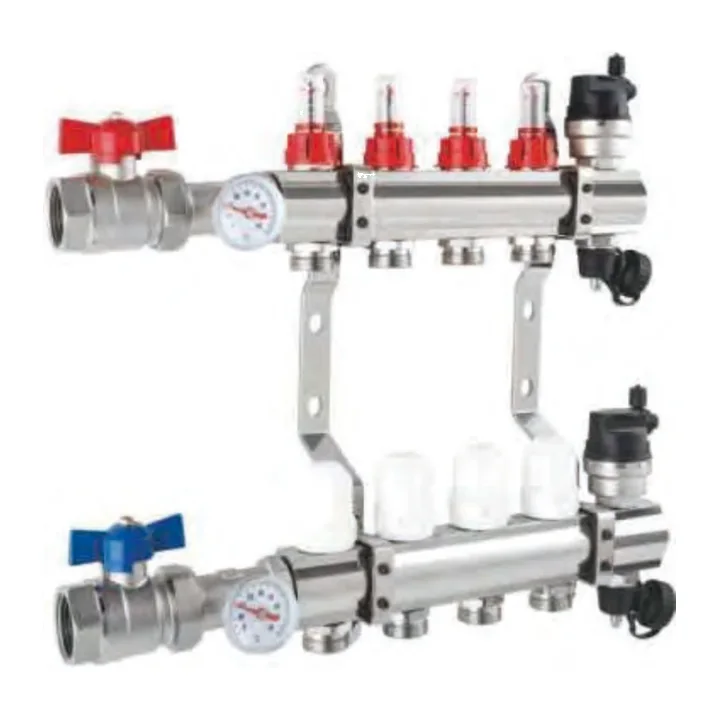
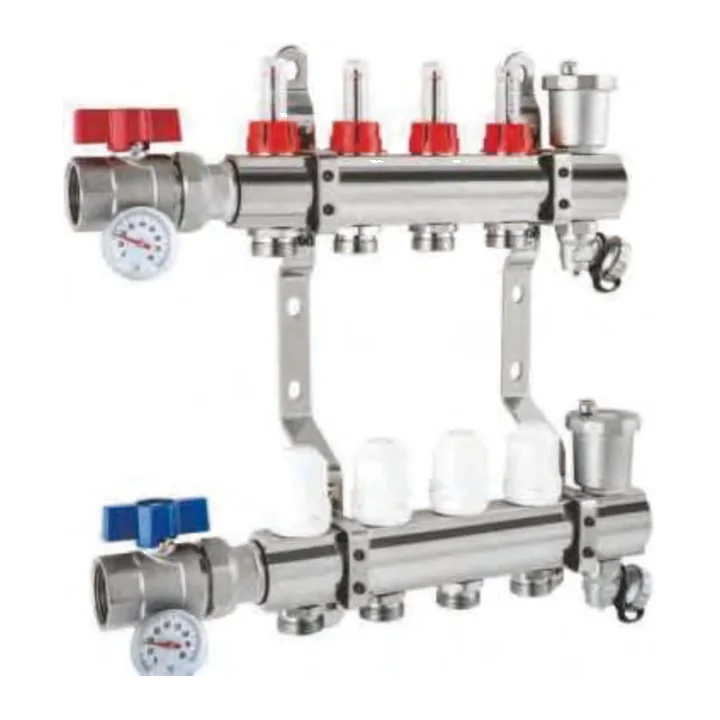
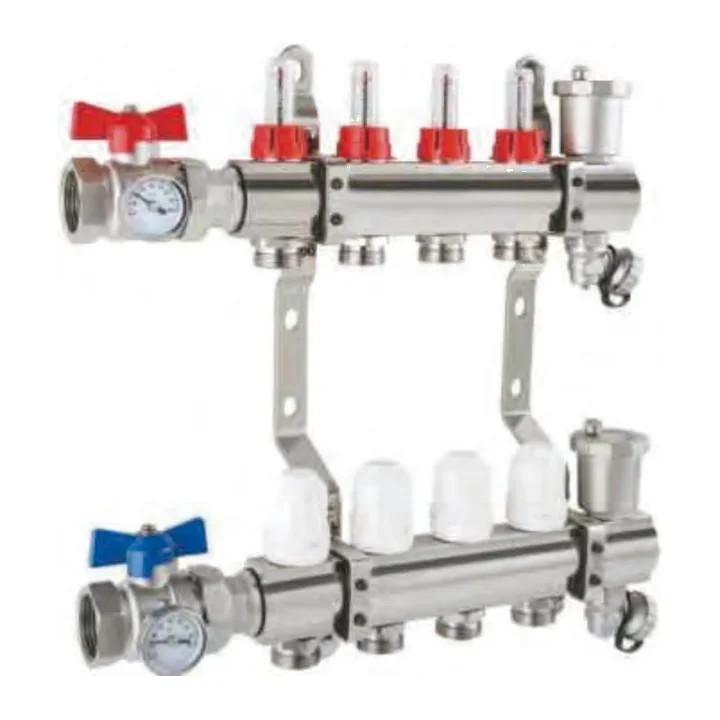
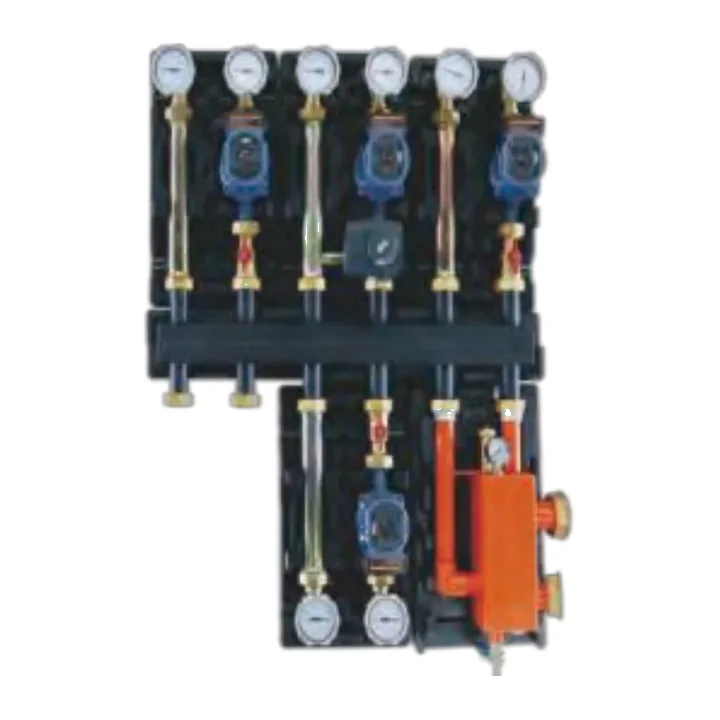
Supply and return bars with flow meters or lockshields, two to twelve circuits, on brackets. Assembled and pressure-tested as a set, not shipped as loose parts.
3/4″–1″ · 36 / 38 / 40 mm
Thermostatic mixing valves
For underfloor heating and domestic hot water. Wax or bimetal element, ±1 K control between 10 and 50 °C, seven-turn handwheel or automatic.
HPb57-3 · ≤100 °C · ±1 K
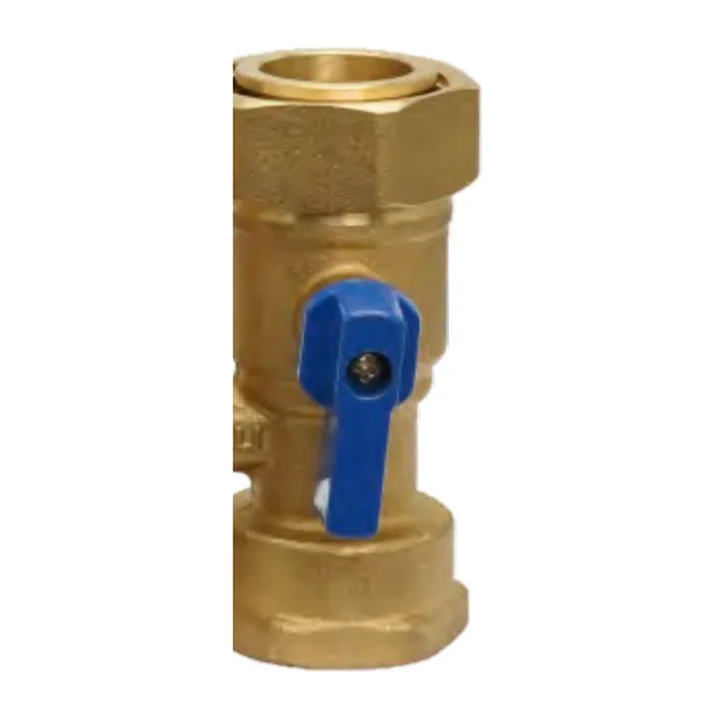
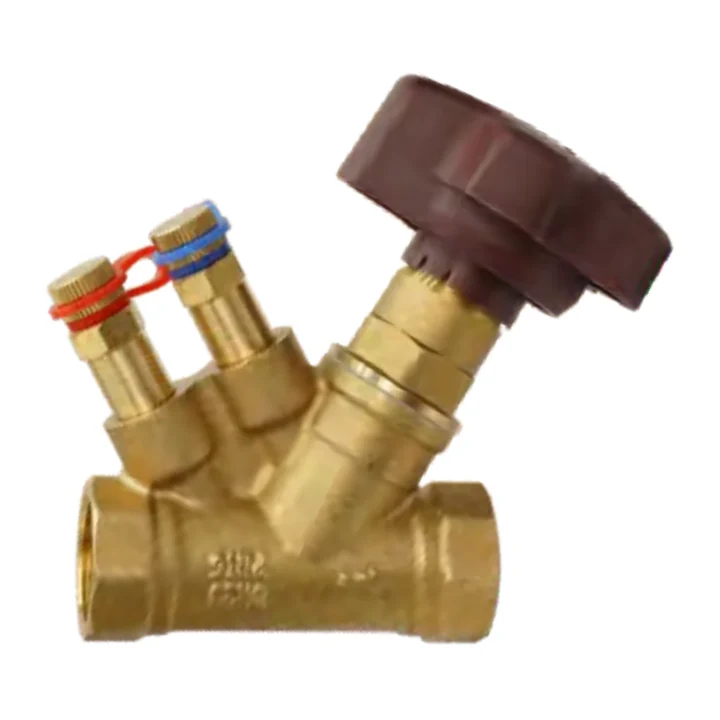
Balancing and shut-off valves
Screw-down bodies from 1/2″ to 2″, seven turns with ±10% adjustment and a G1/4″ test port, so a riser can be balanced without draining it.
PN16 · 7 turns · G1/4″
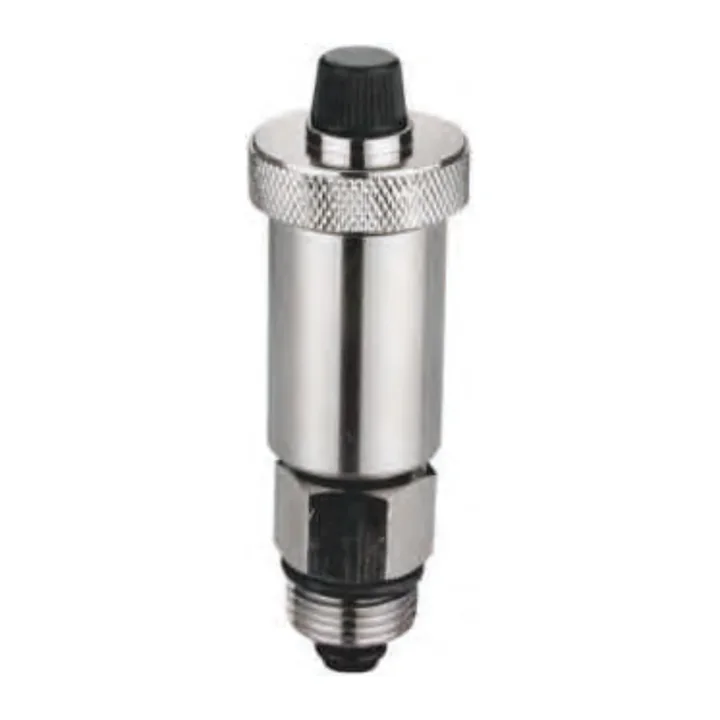
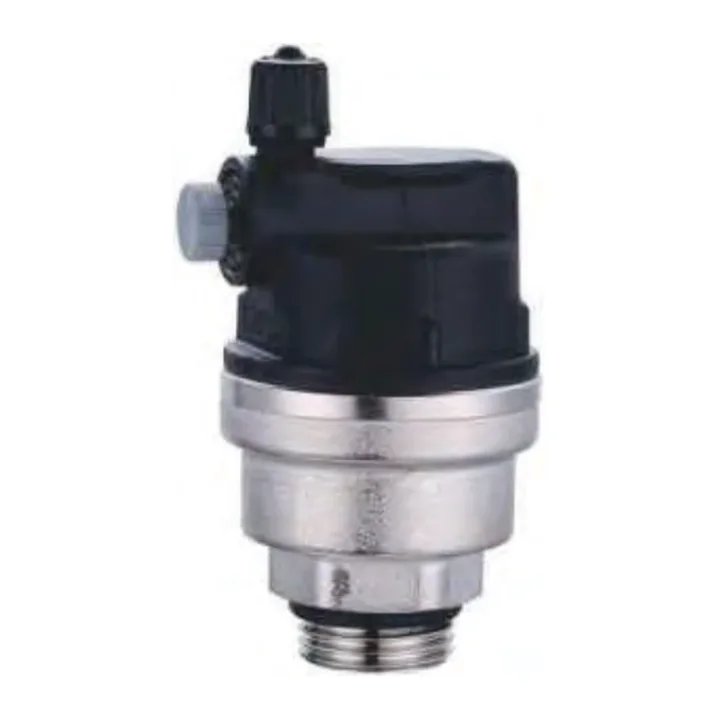
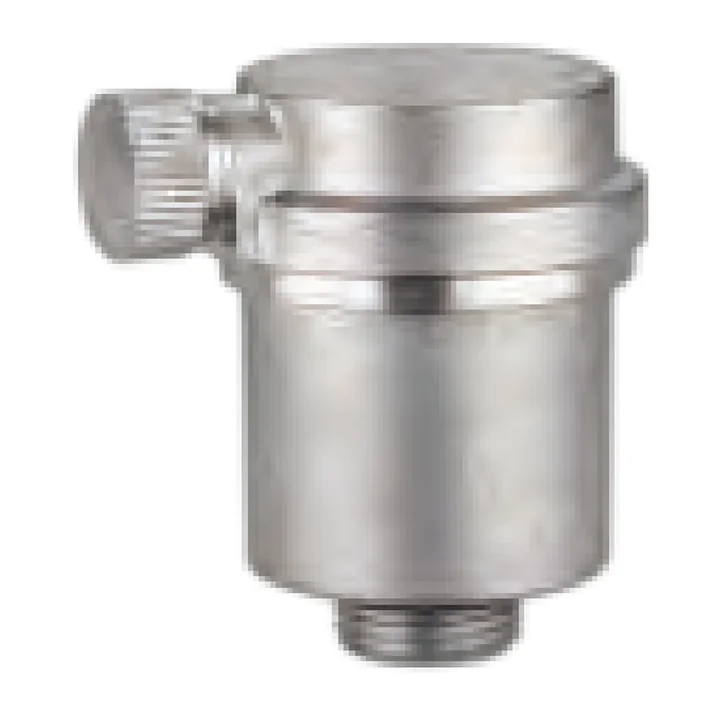
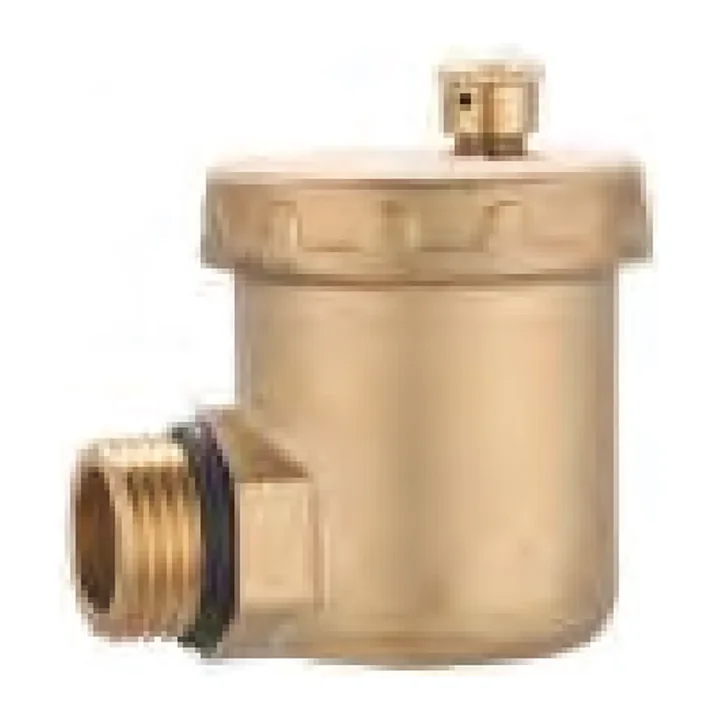
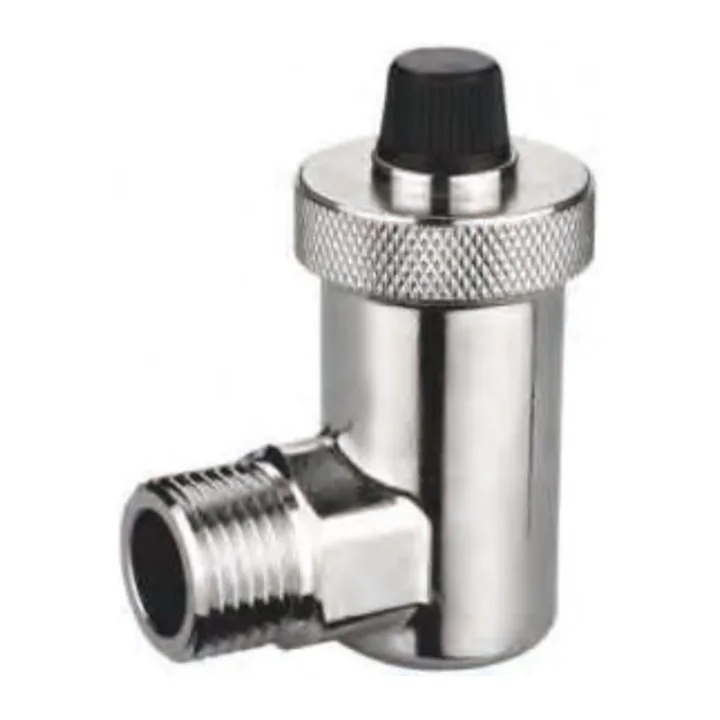
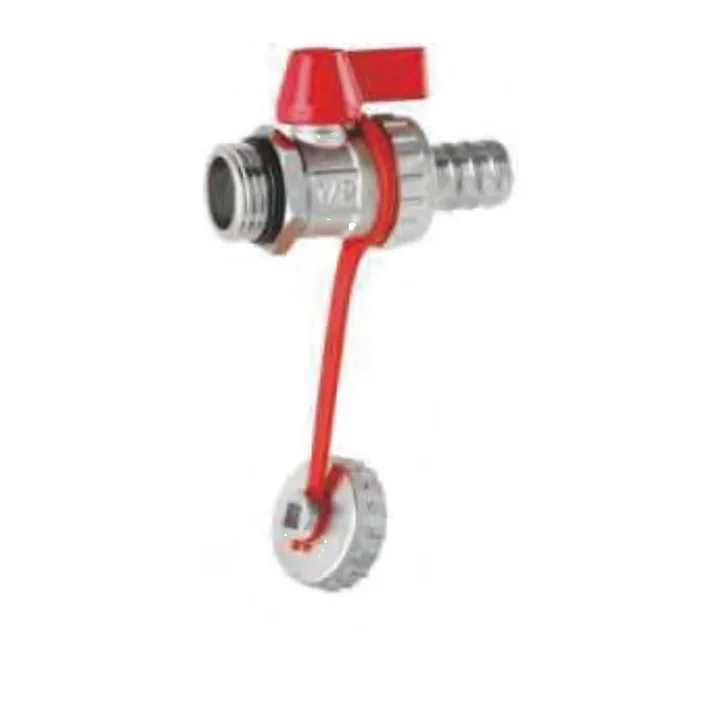
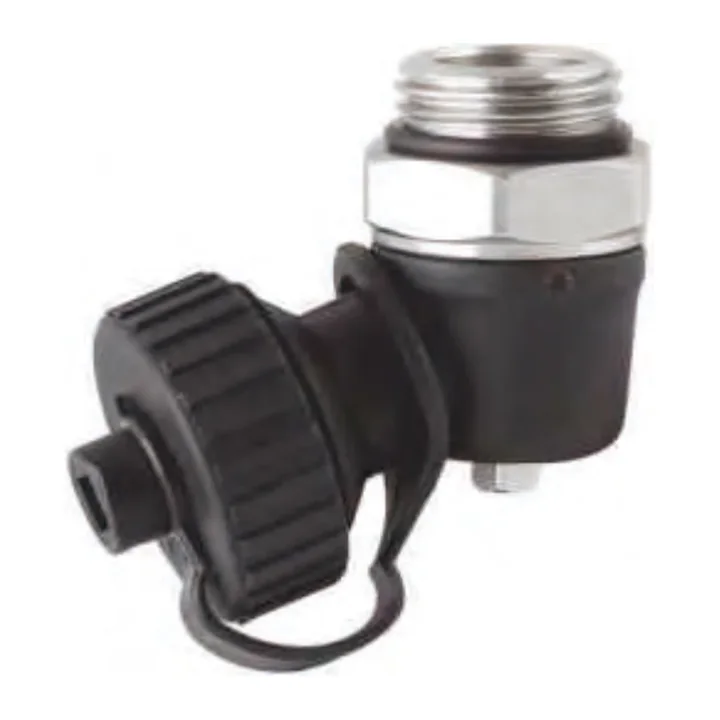
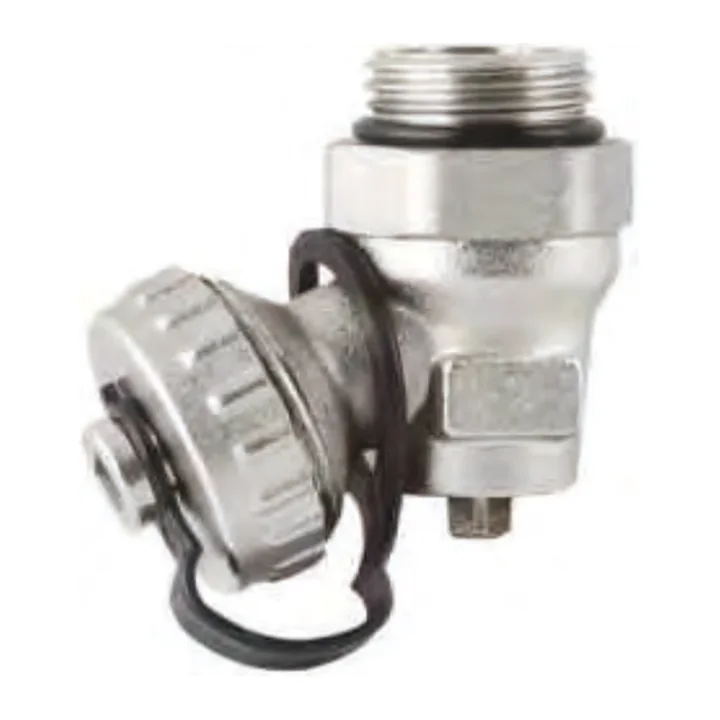
The range, photographed
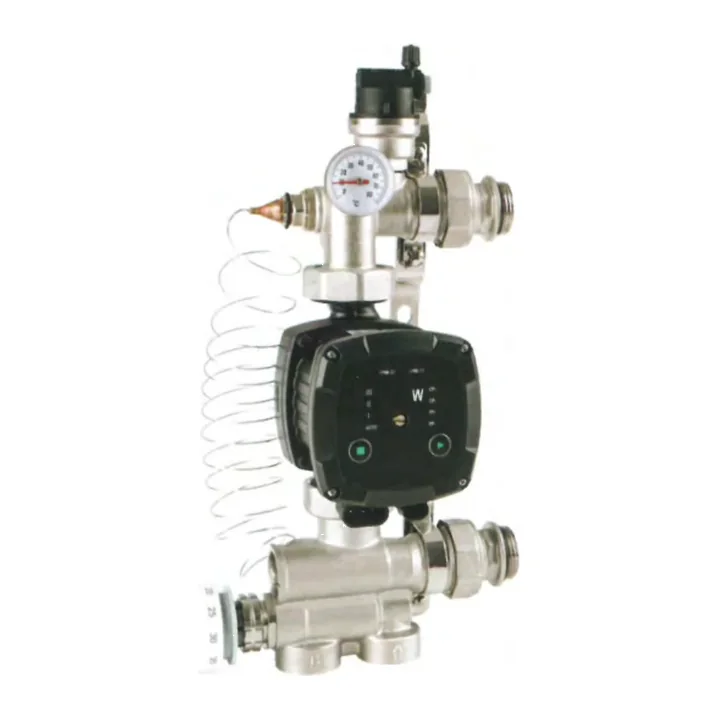
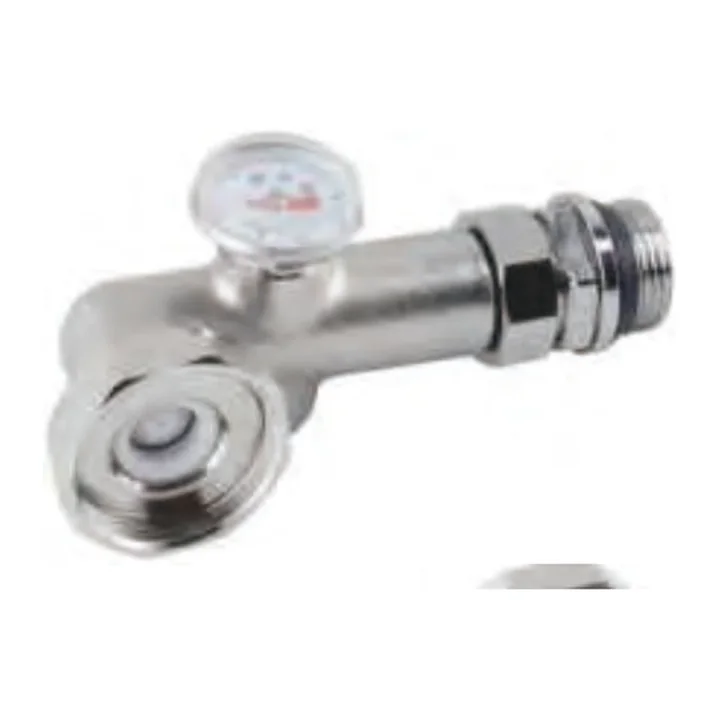
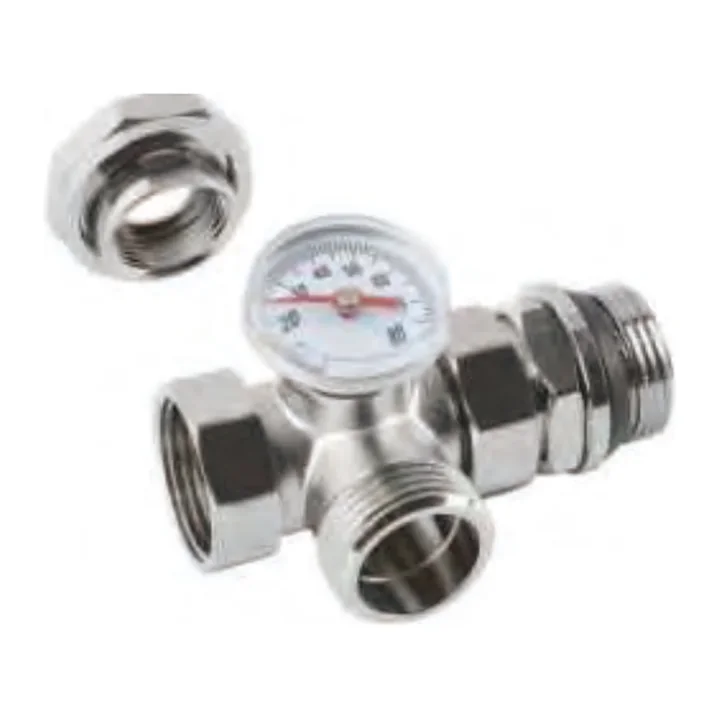
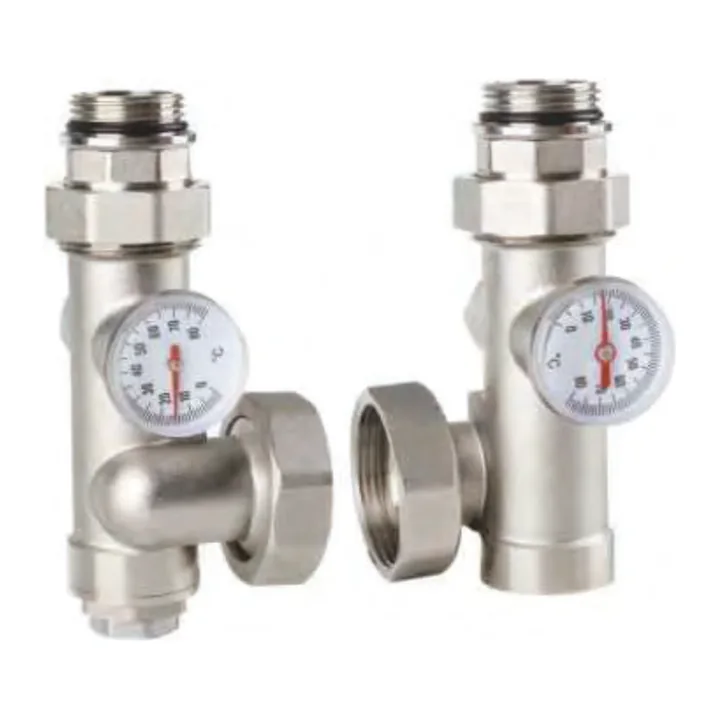
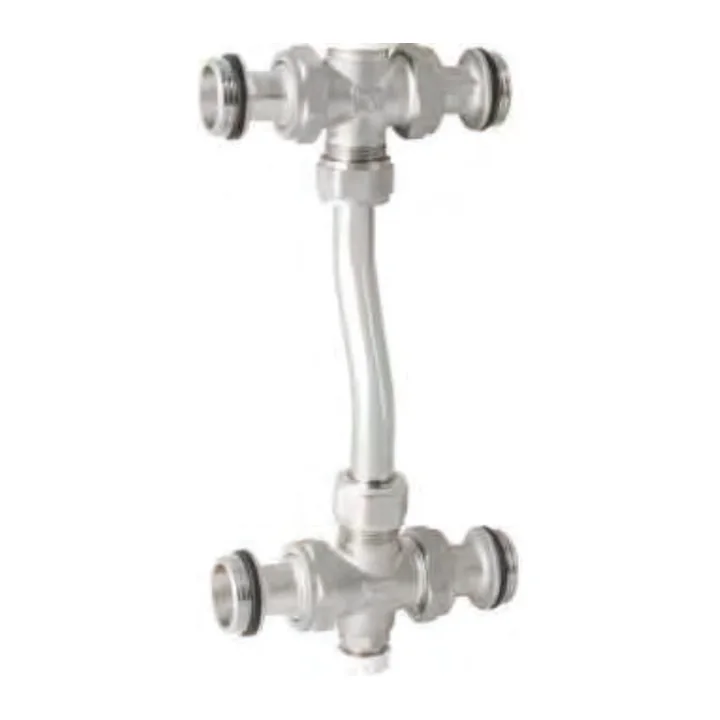
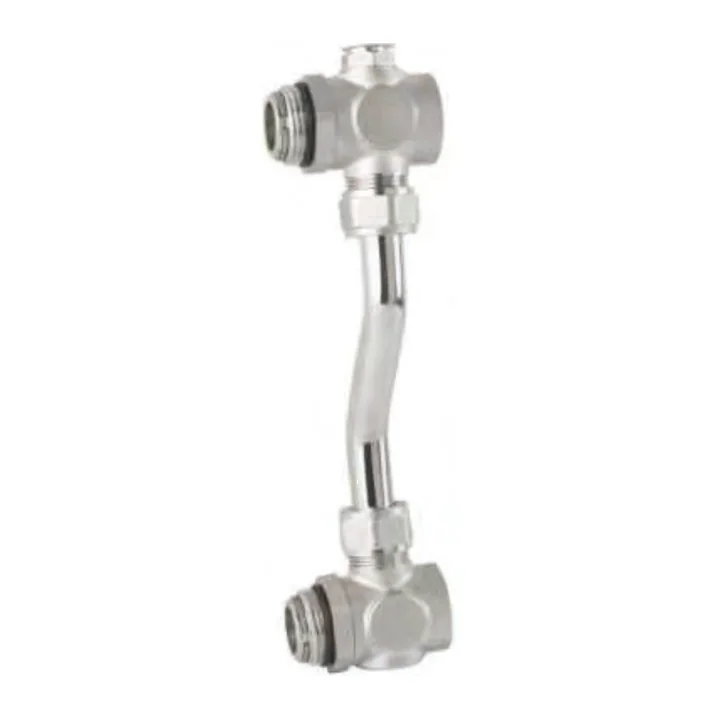
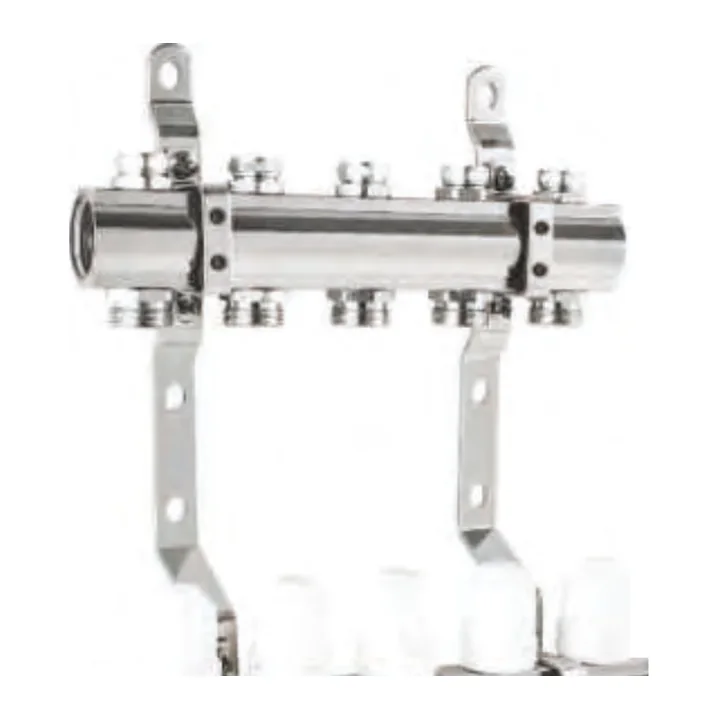
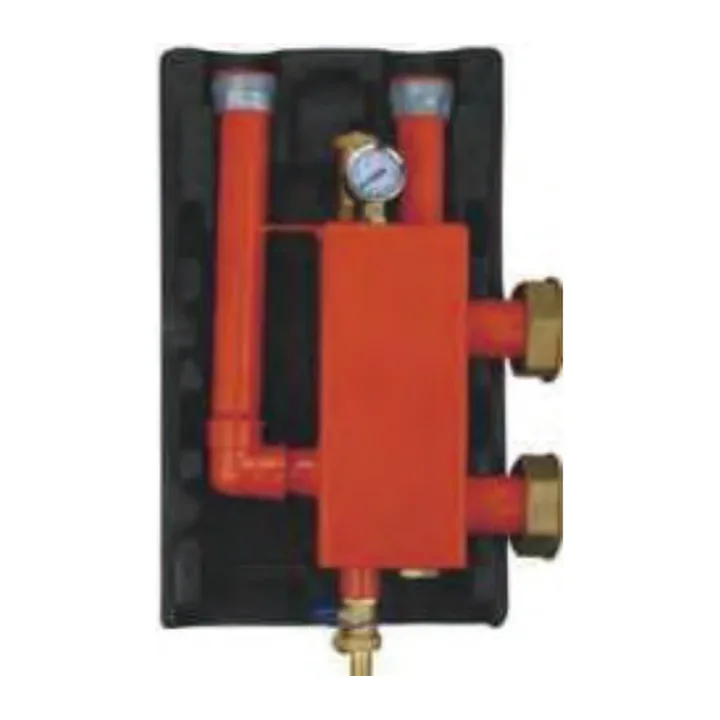
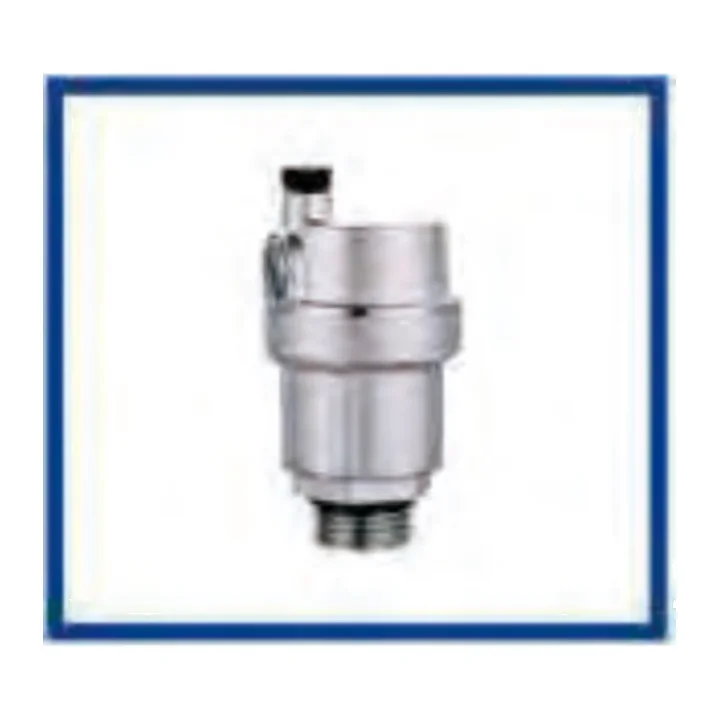
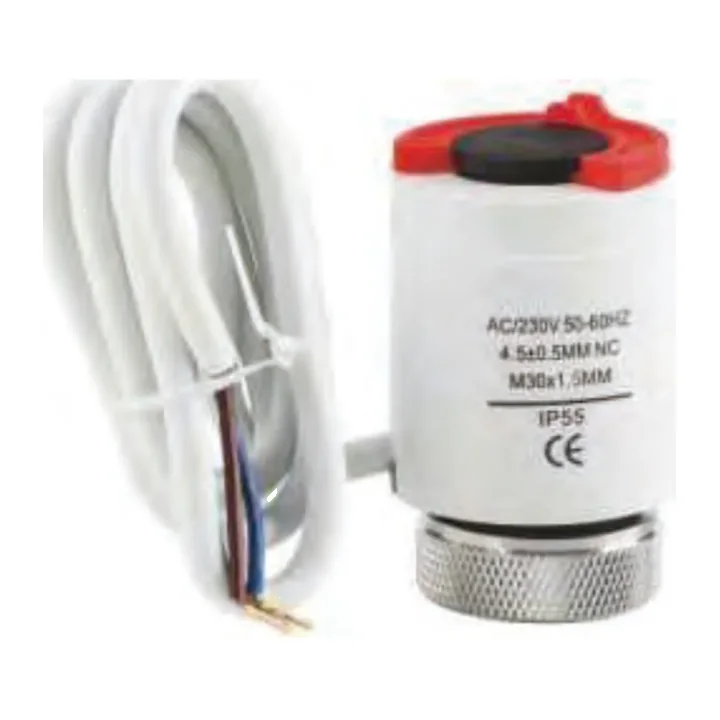
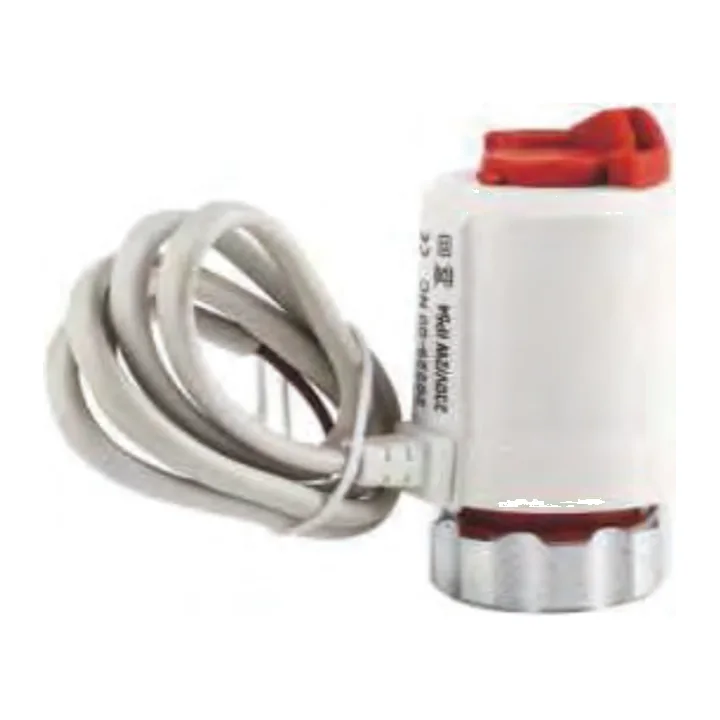
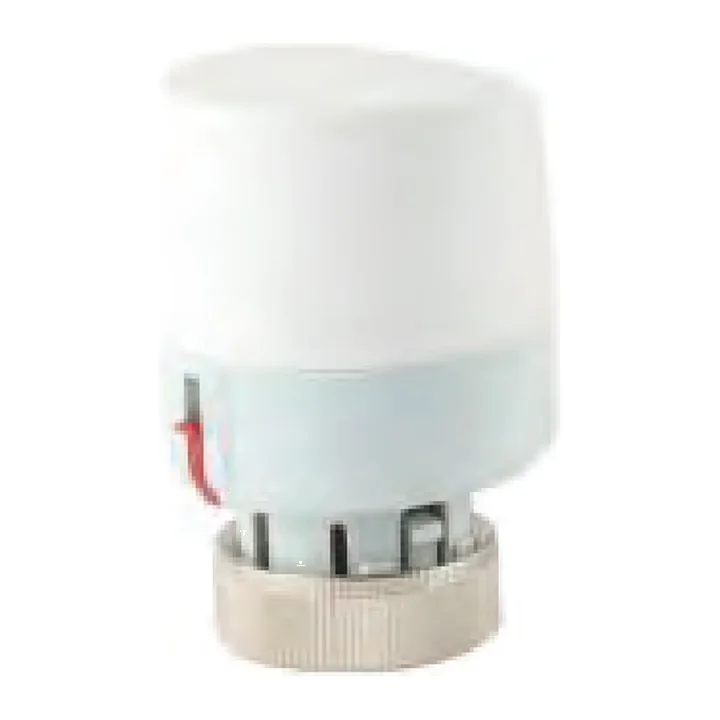
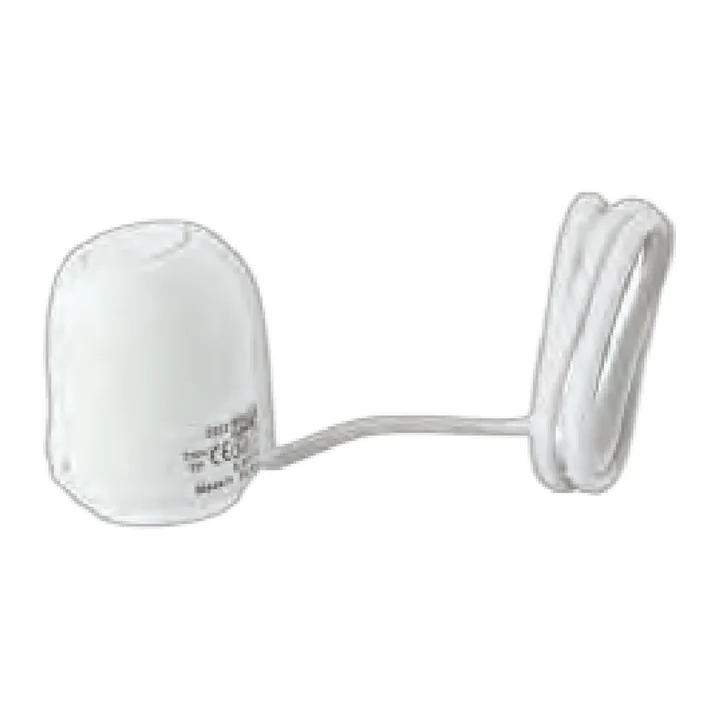
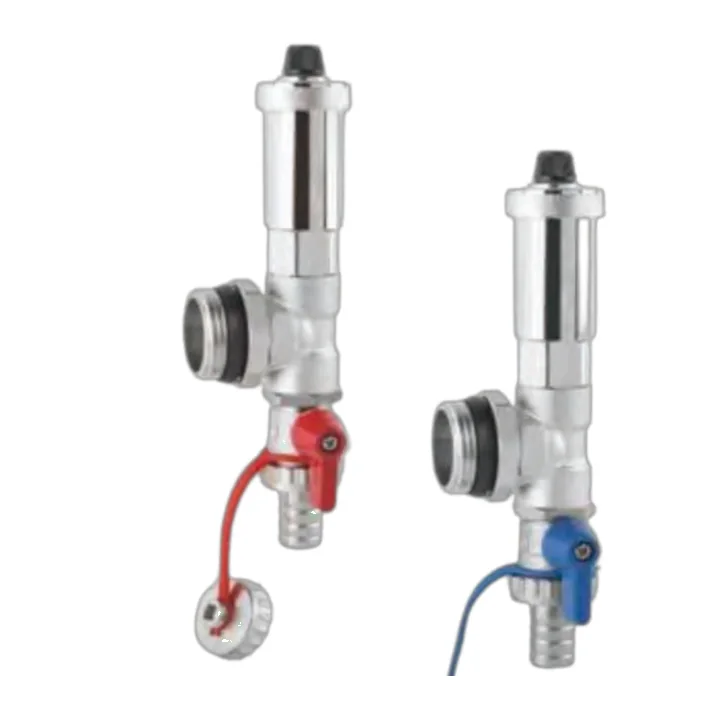
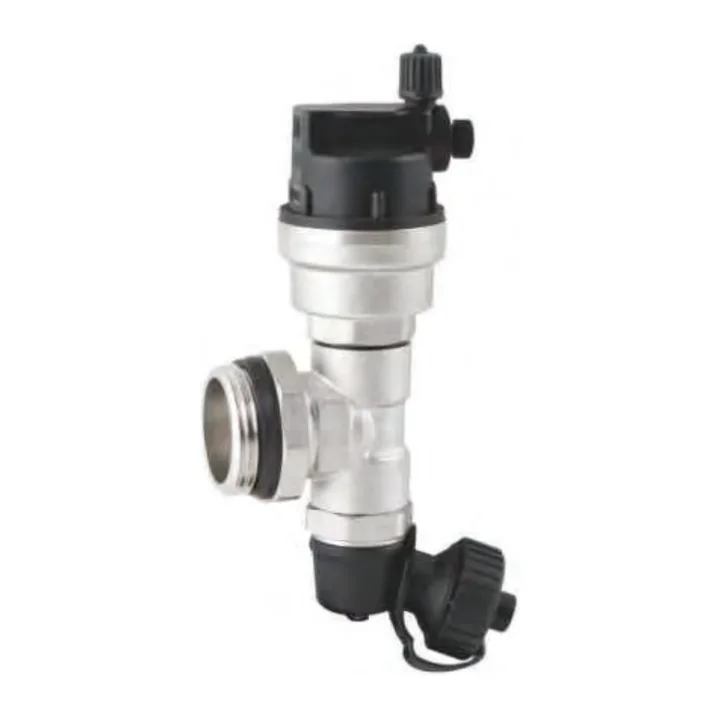
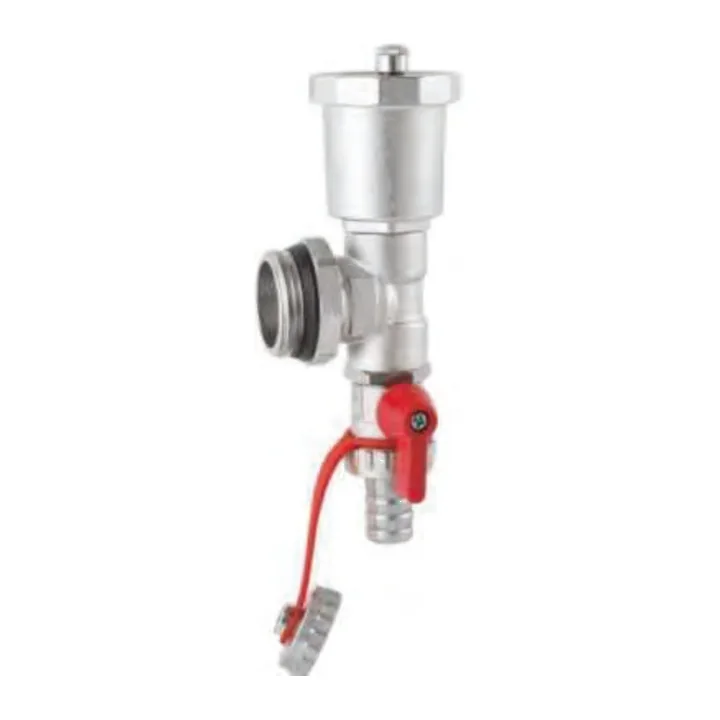
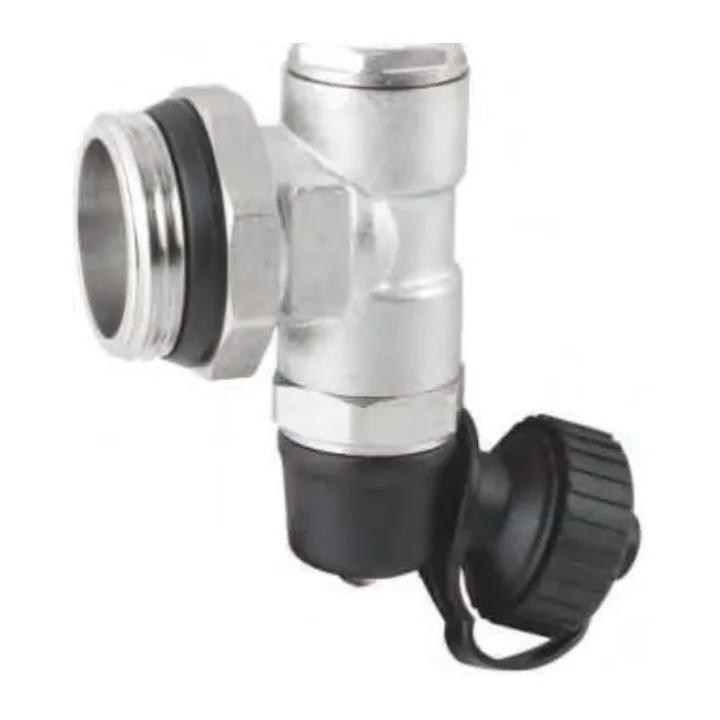
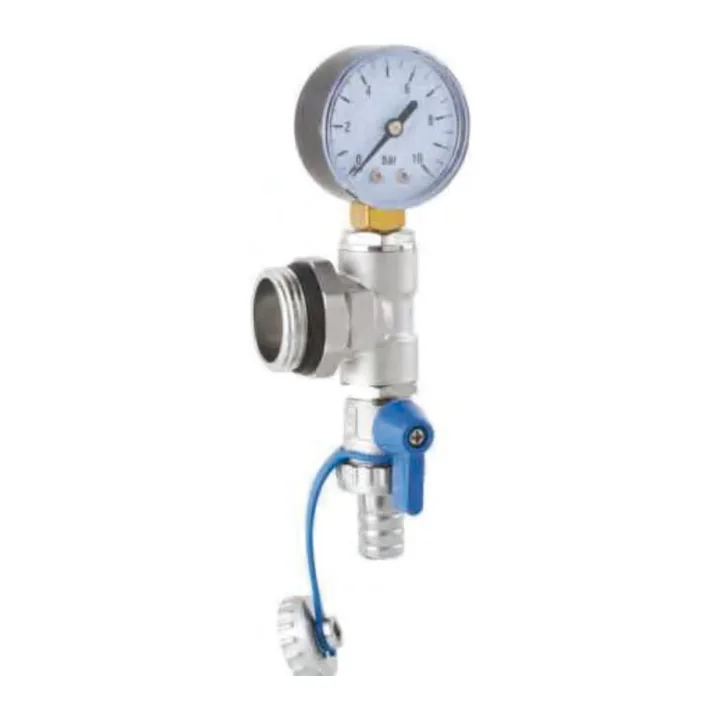
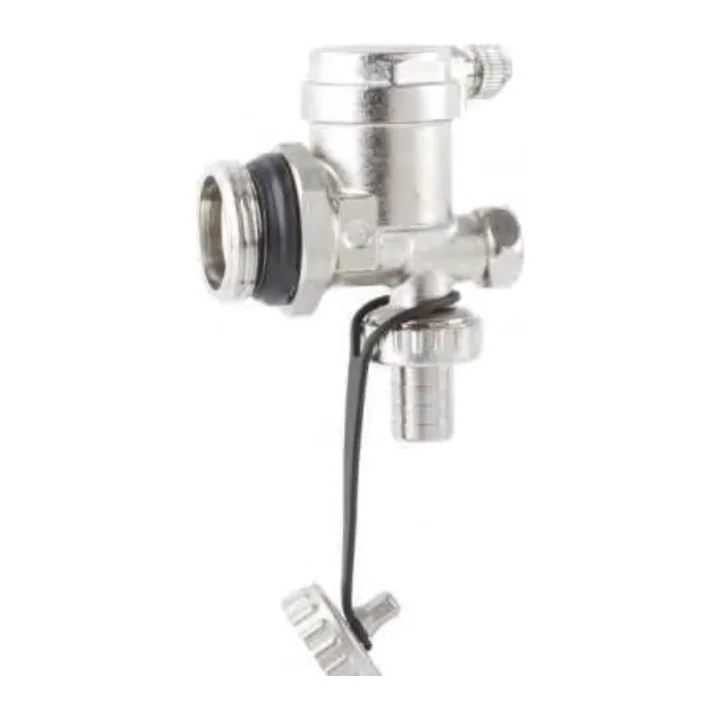
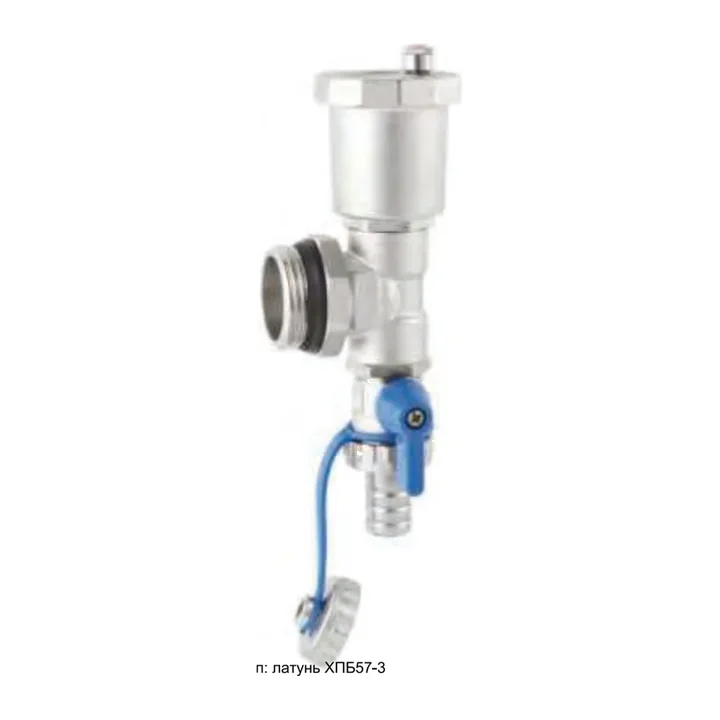
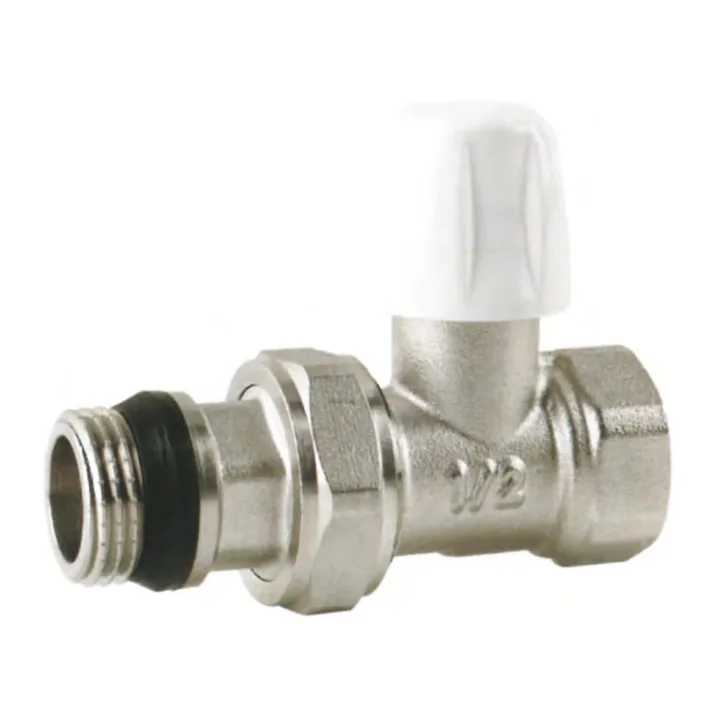
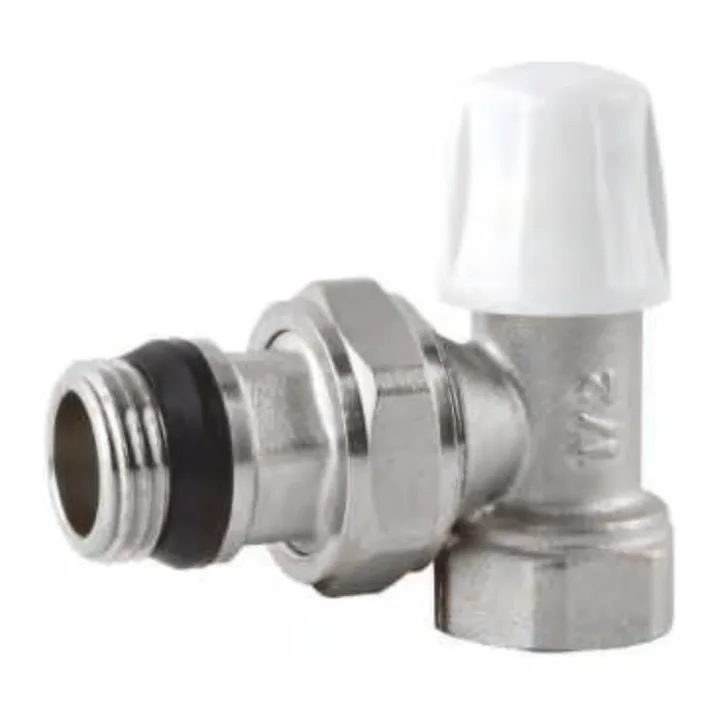
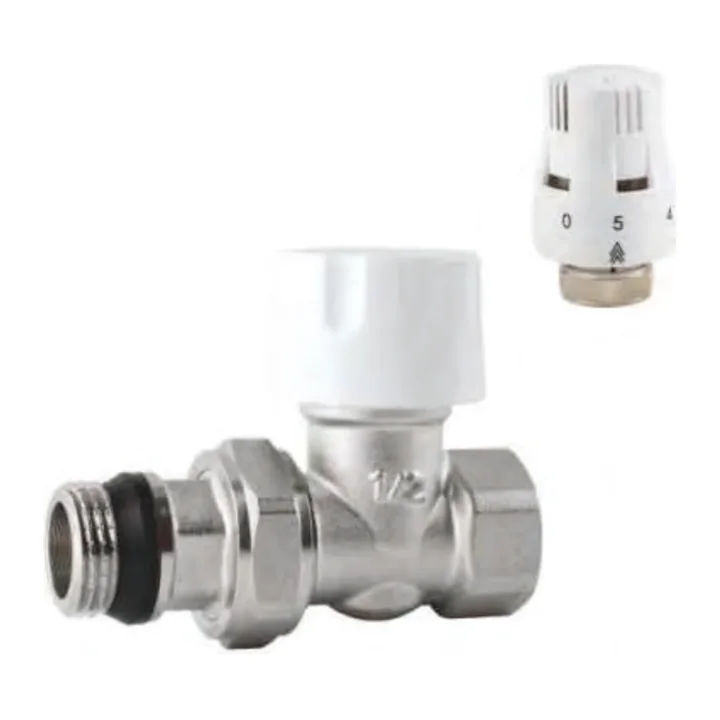
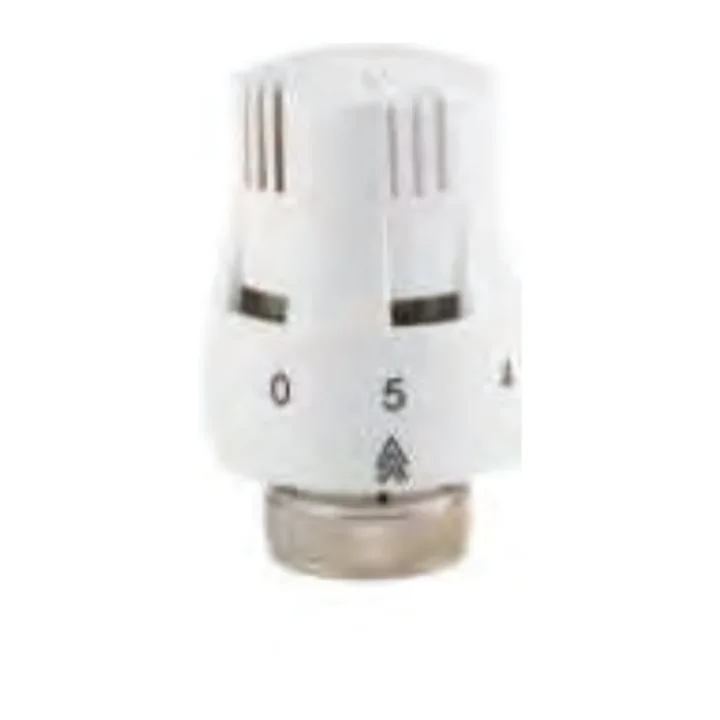
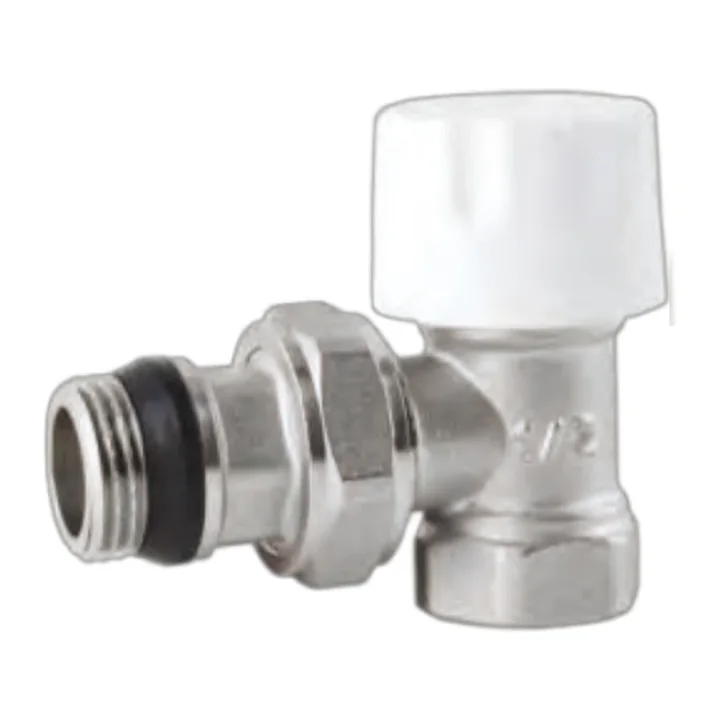
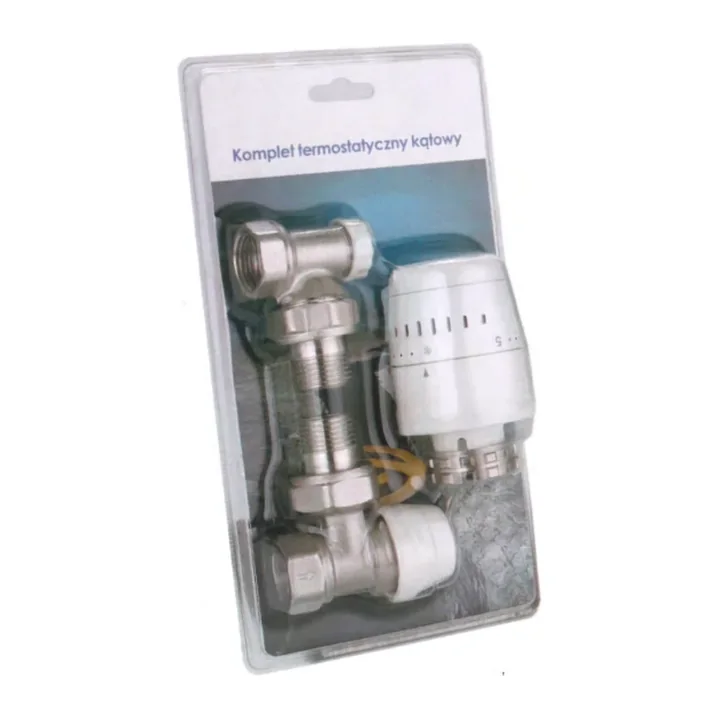
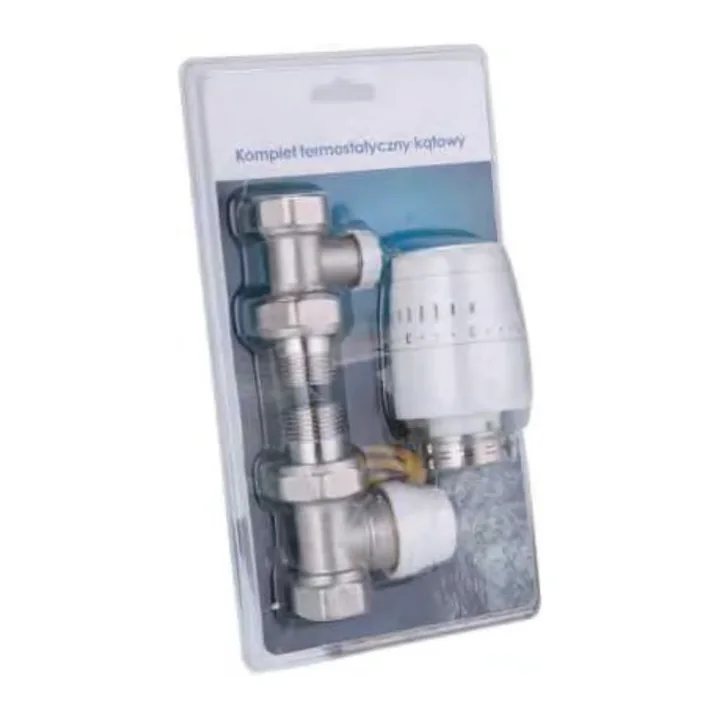
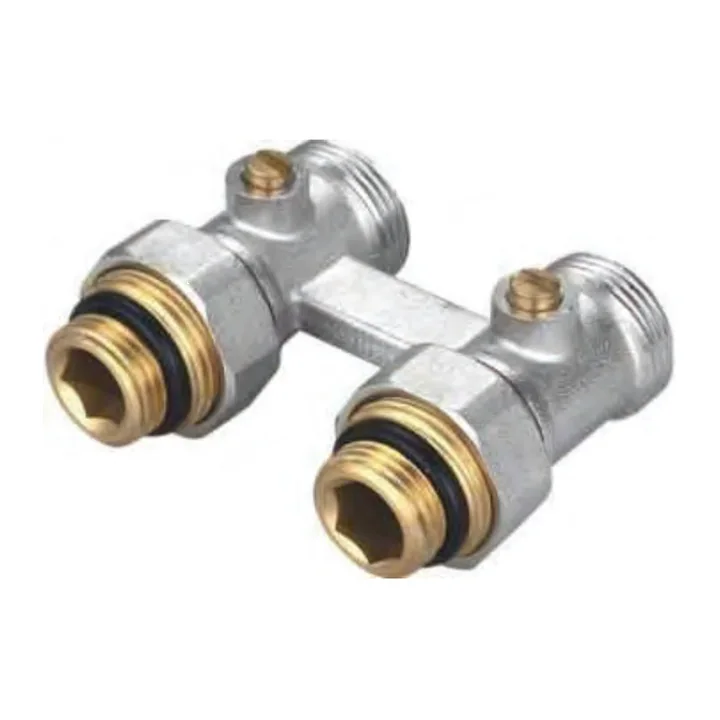
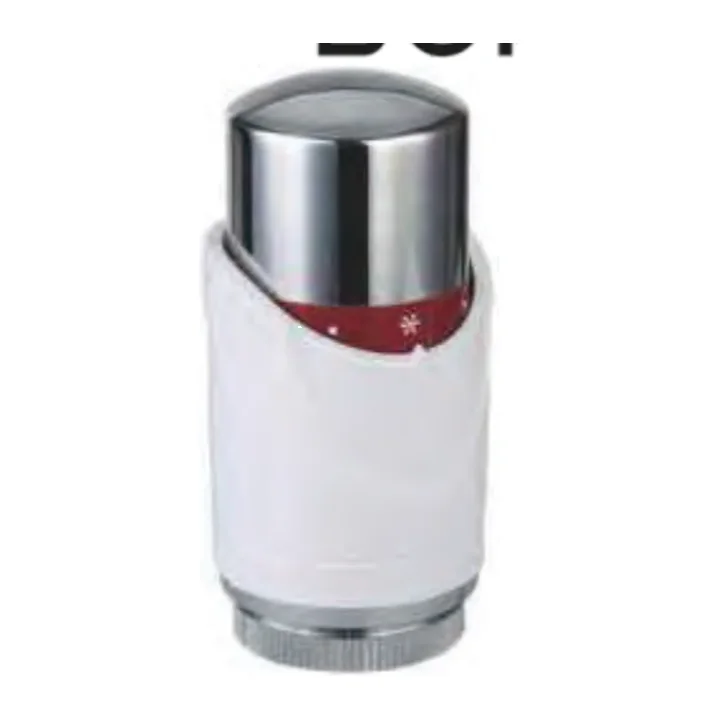
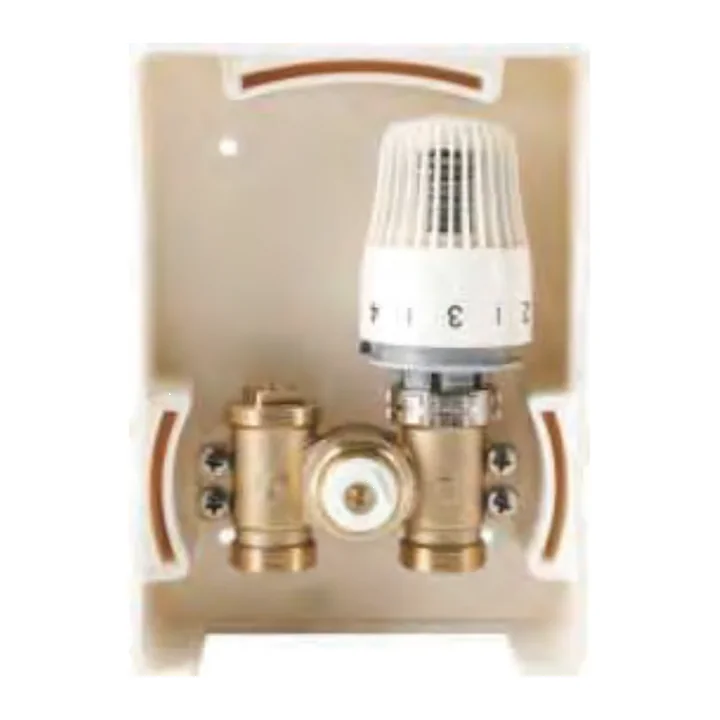
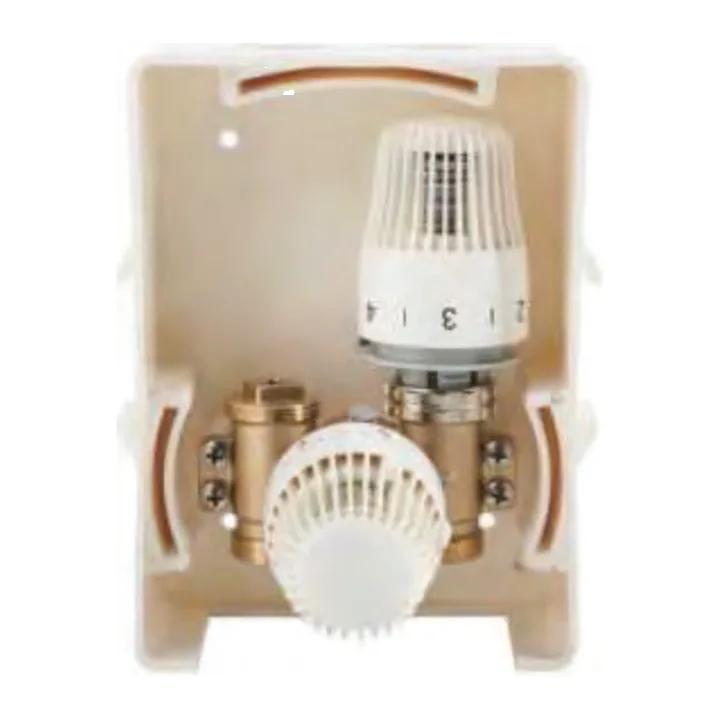
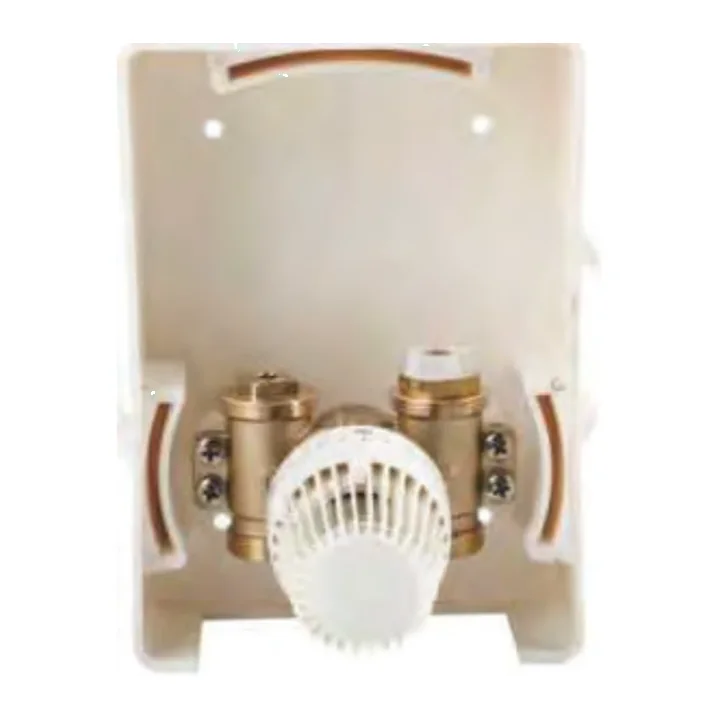
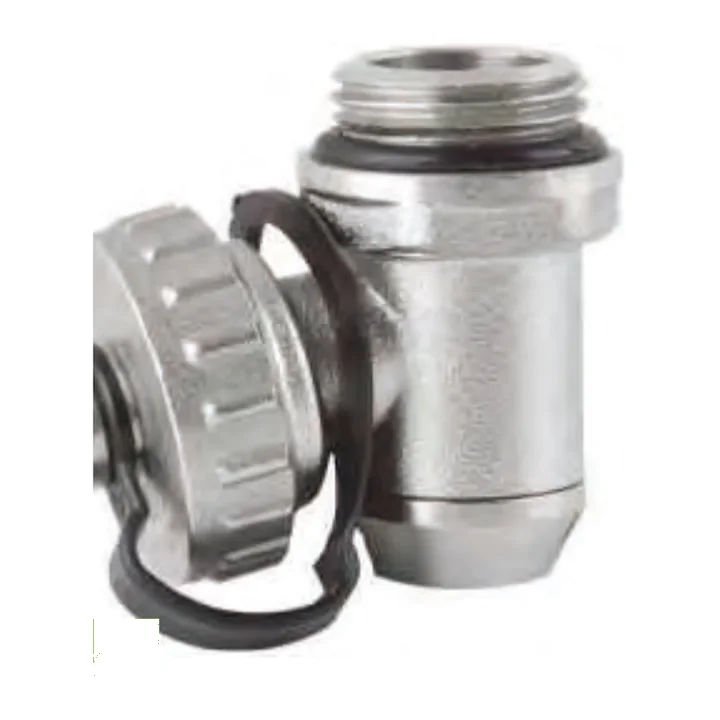
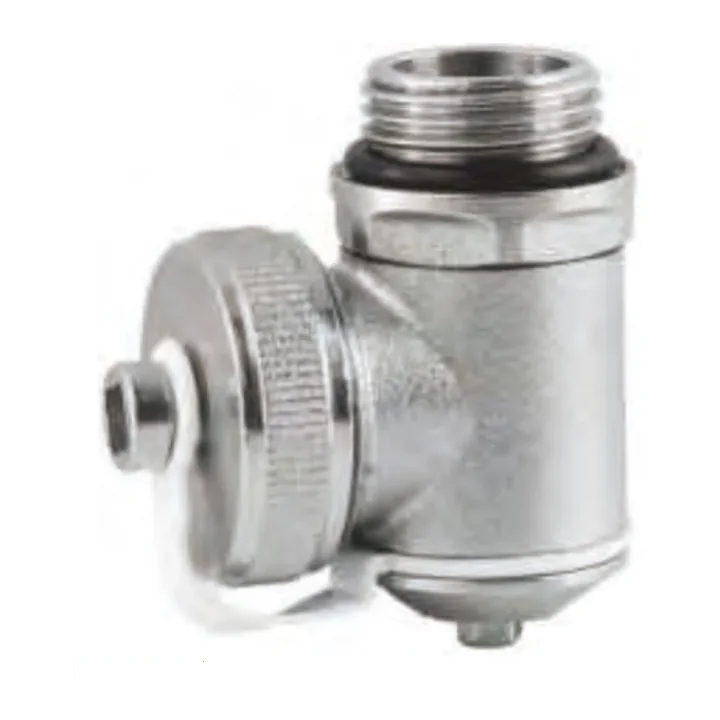
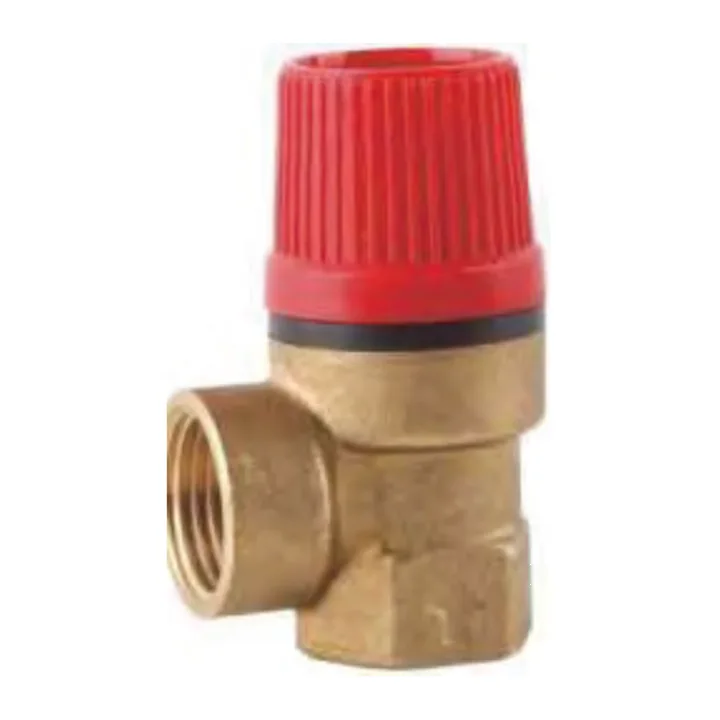
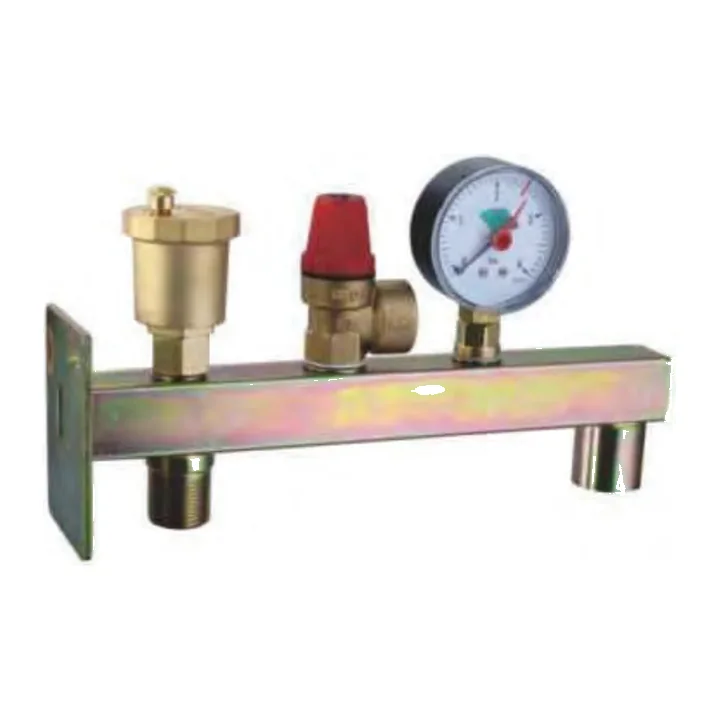
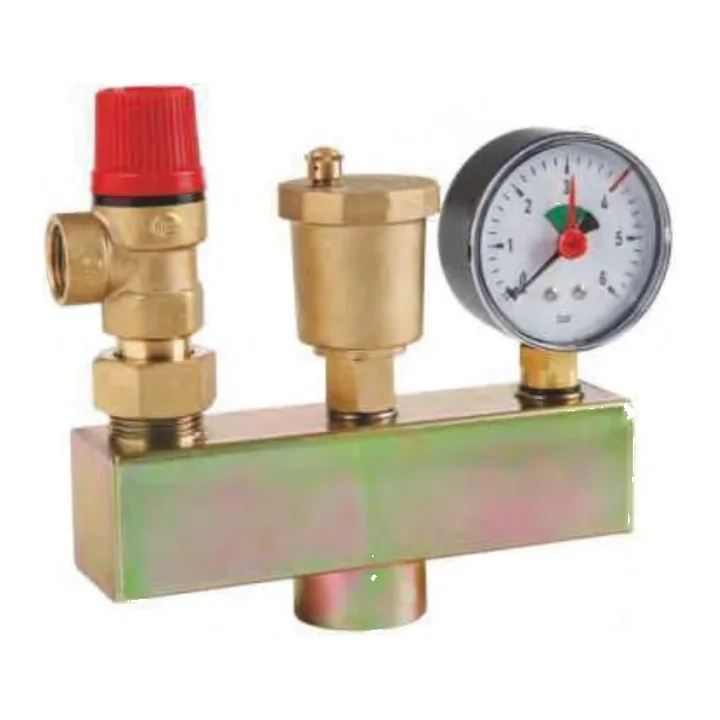
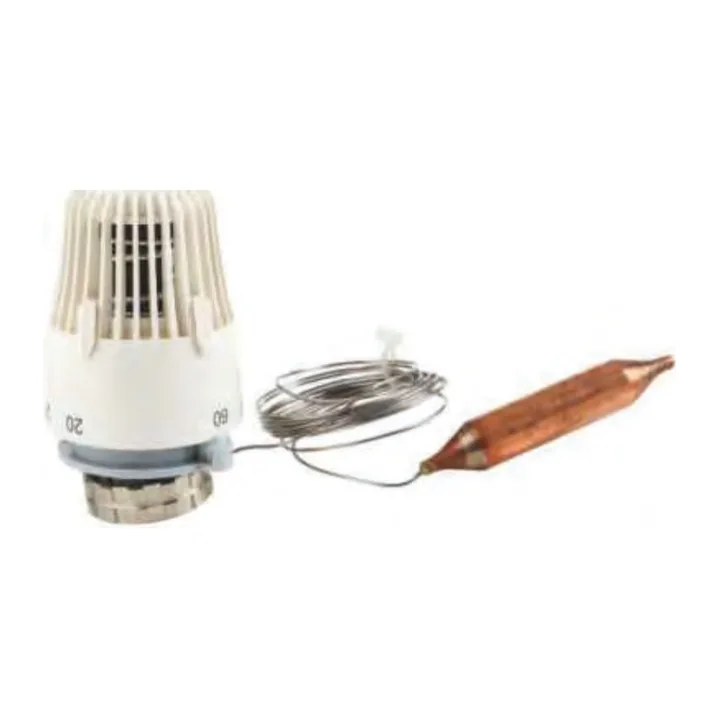
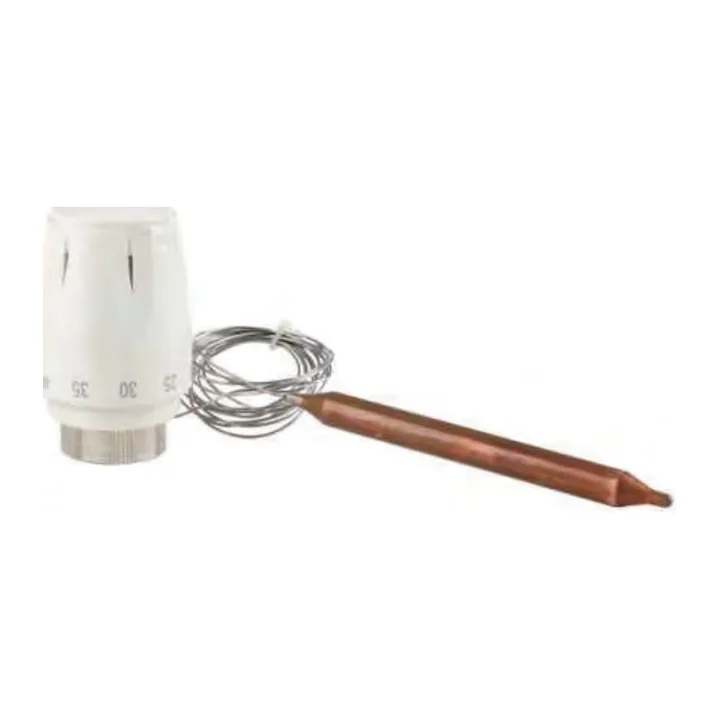
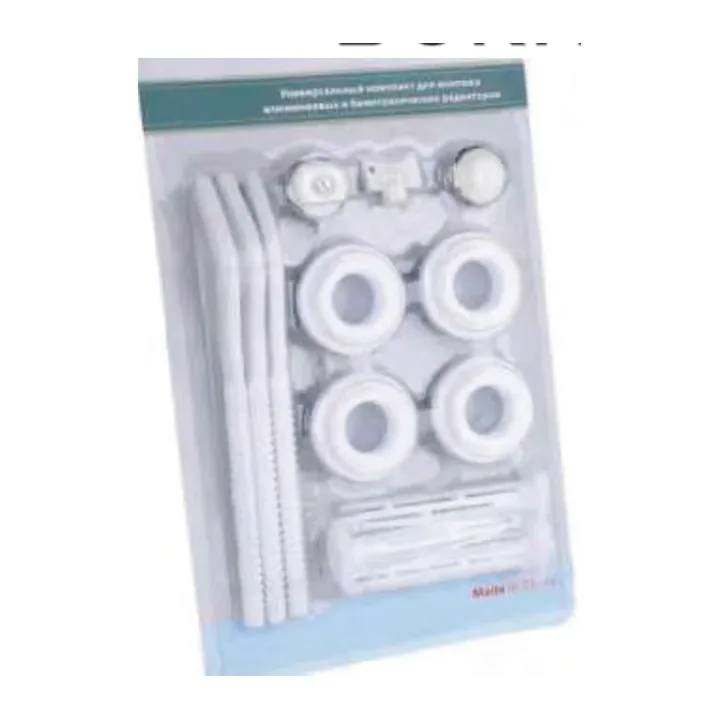
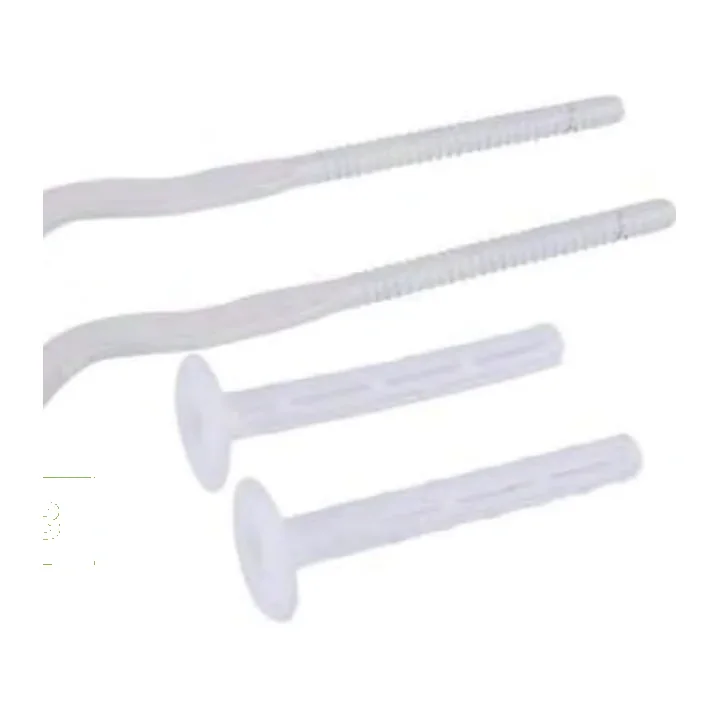
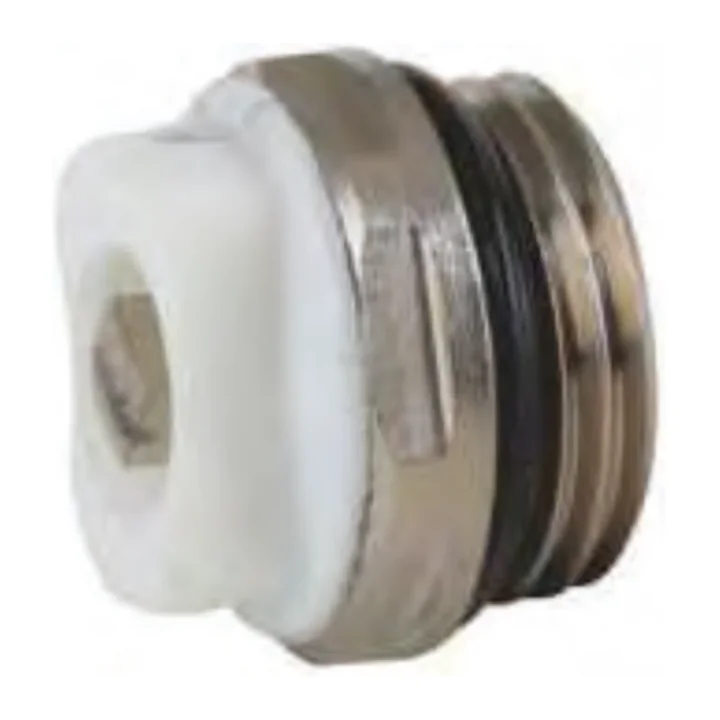
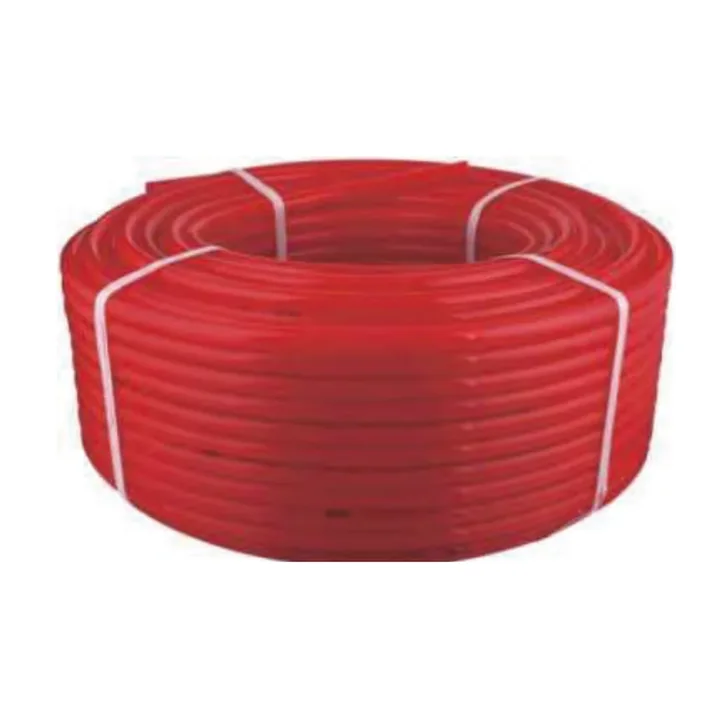
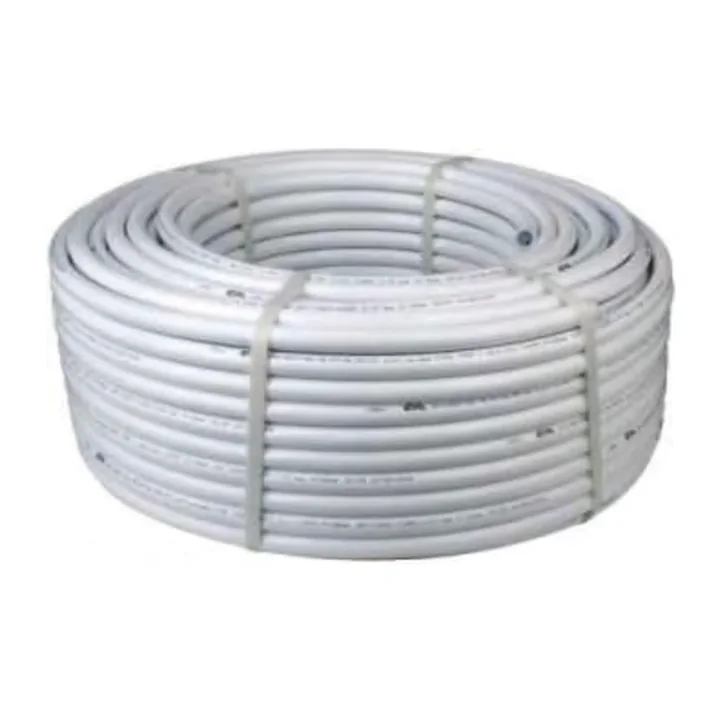
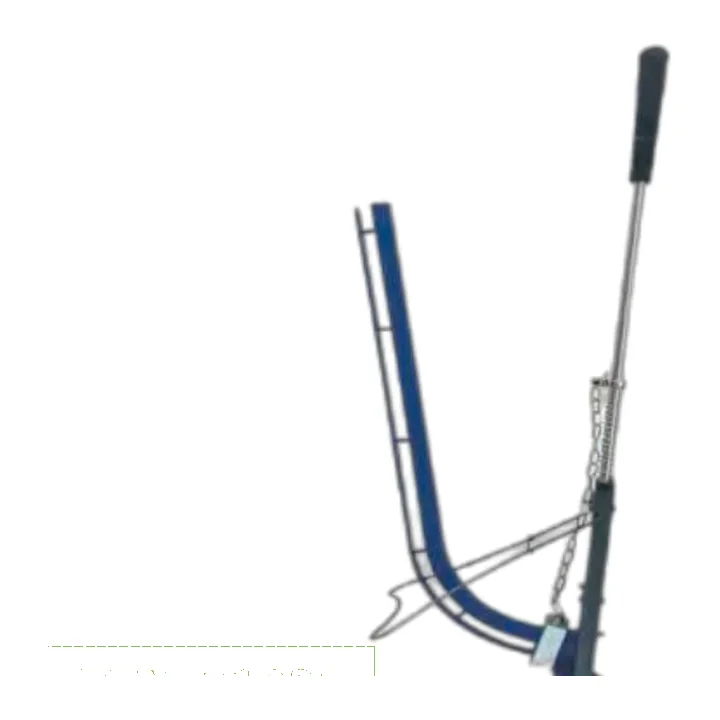
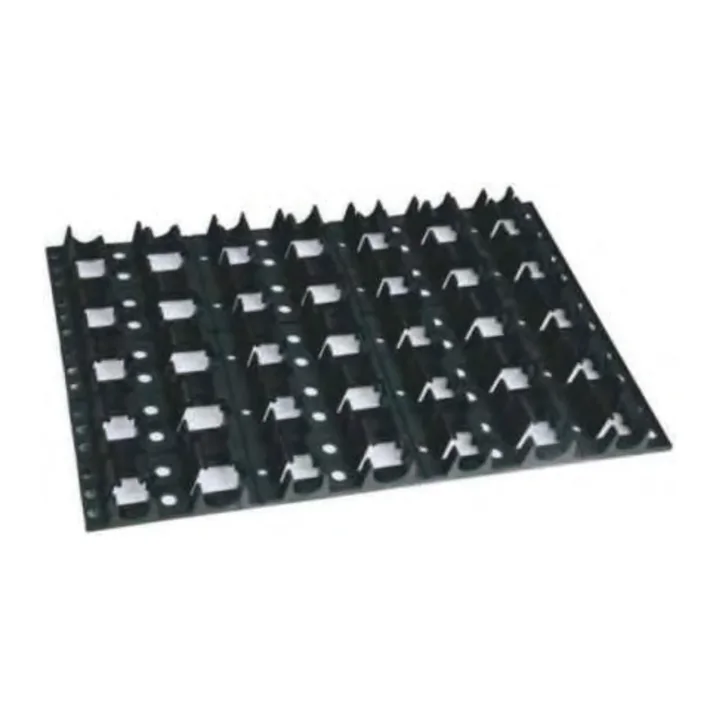
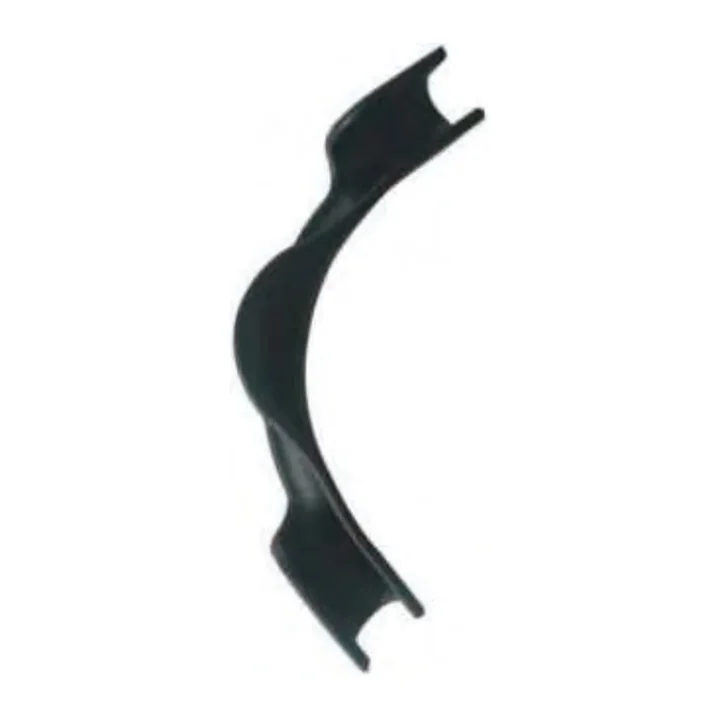
Catalogue photographs of the bodies we can quote on this line — standard cores and standard finishes. A drawing can still change the body, the bracket or the cap colour.
Manifold assemblies
39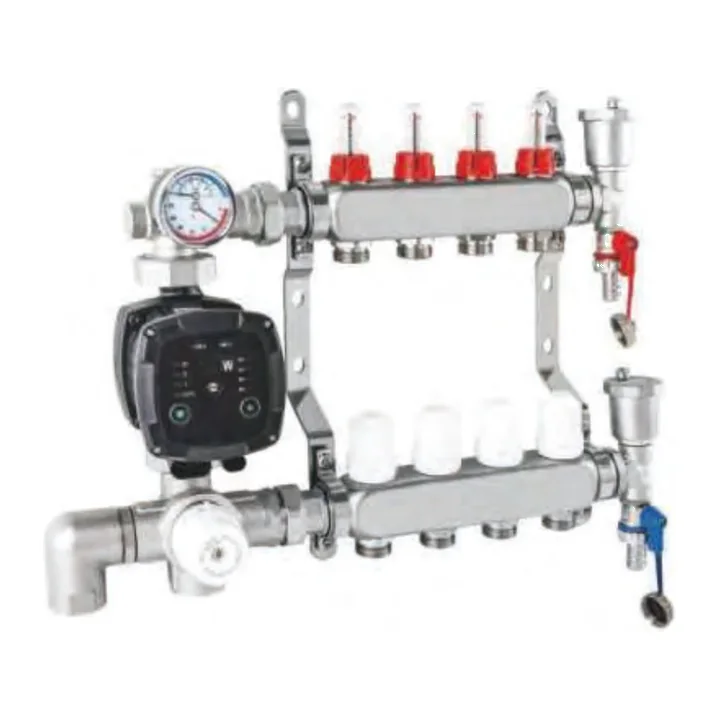
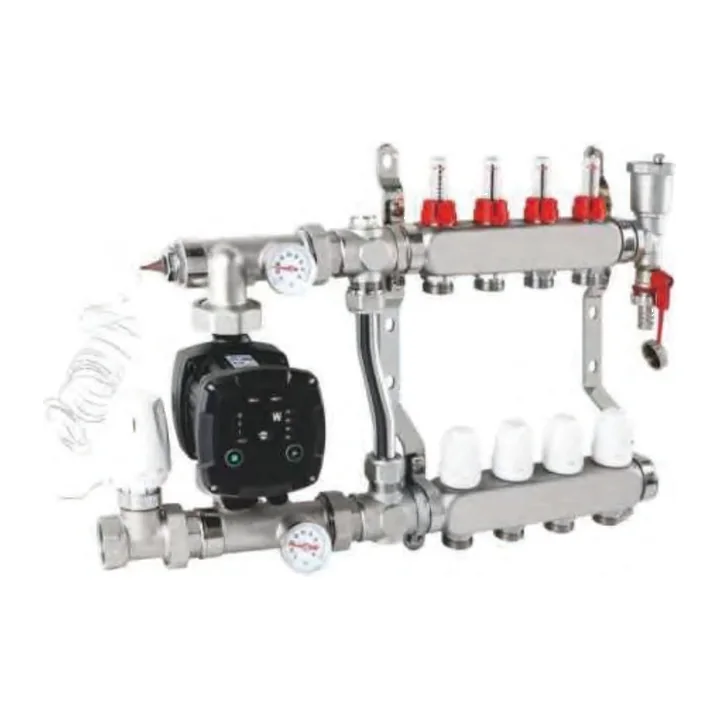
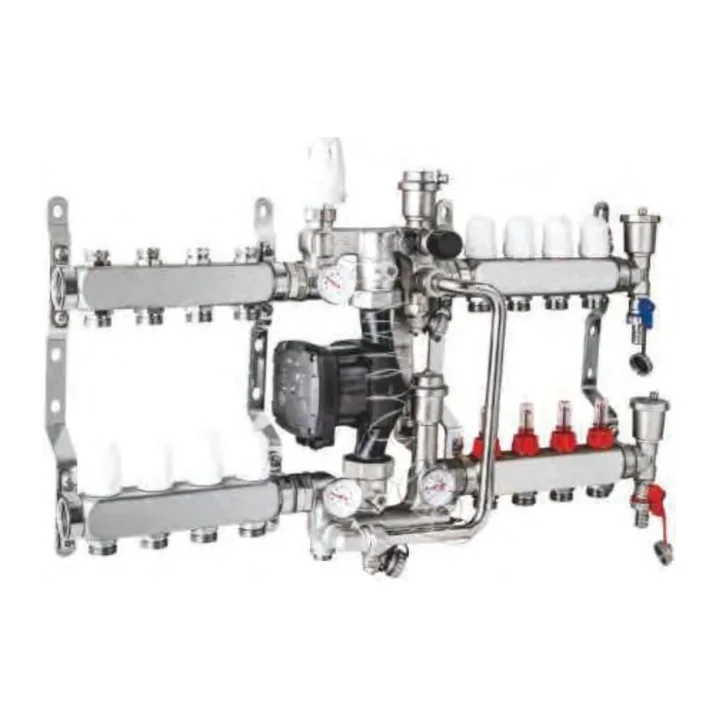
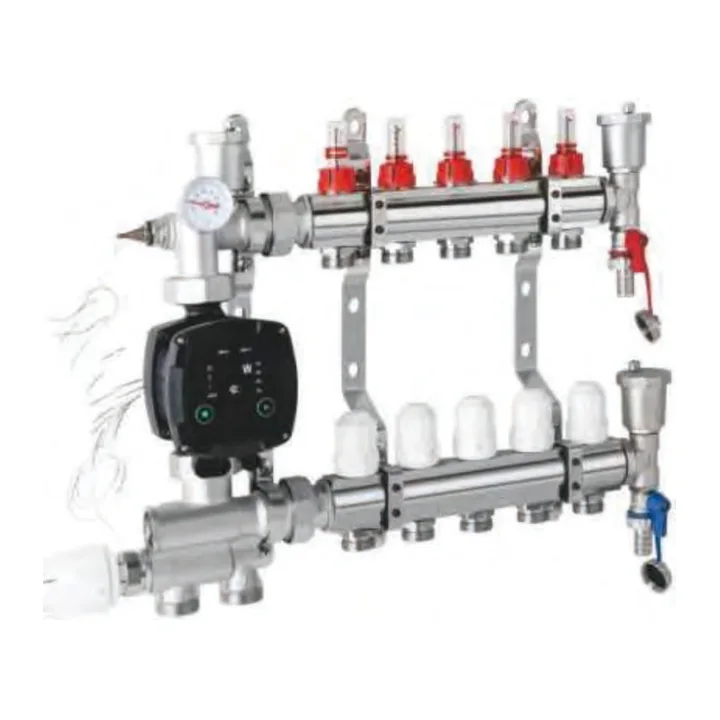
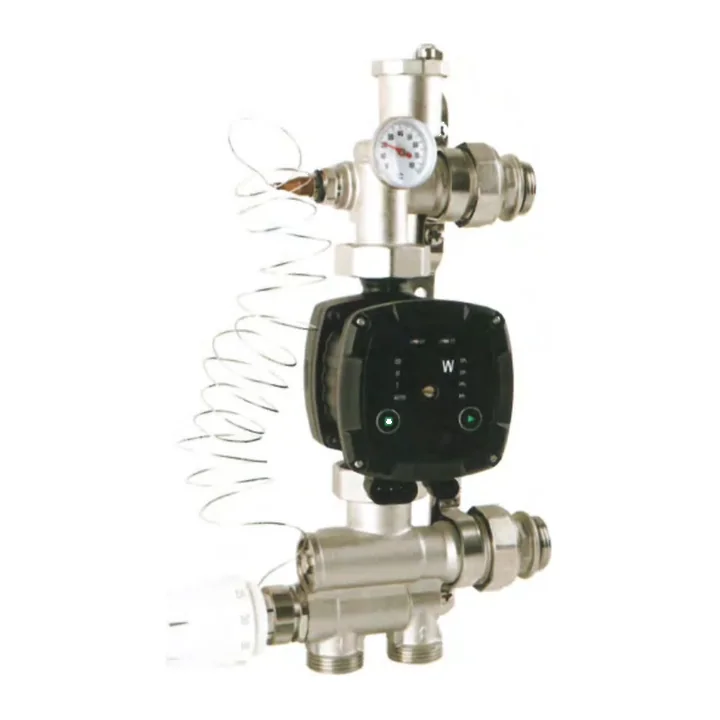
Mixing and temperature control
29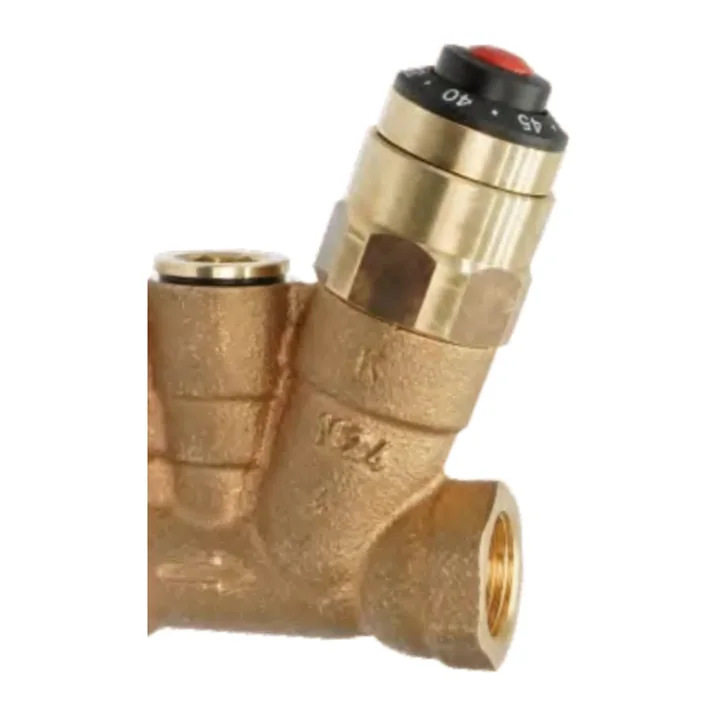
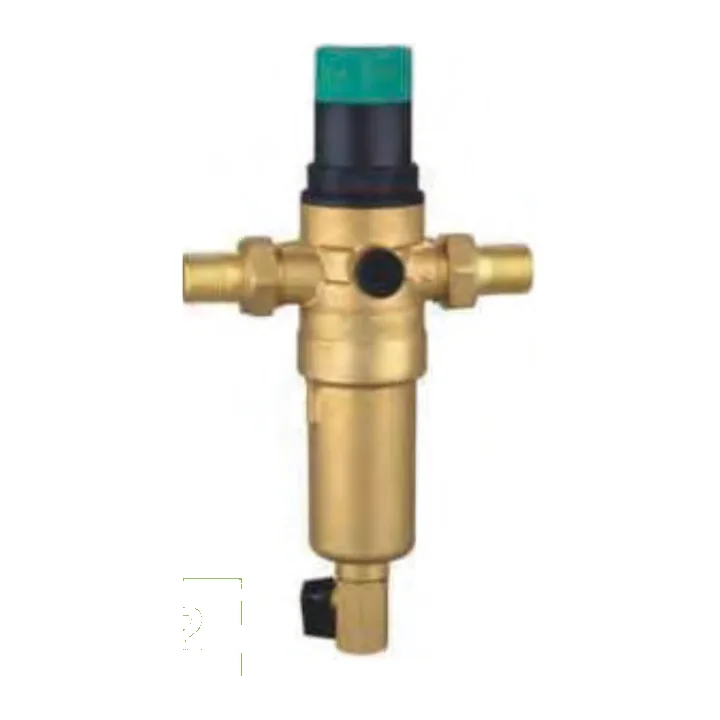
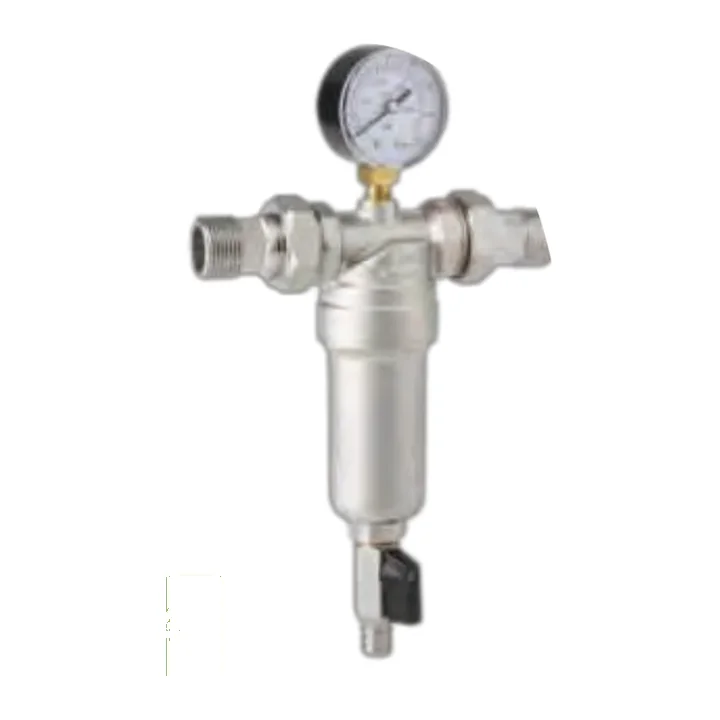
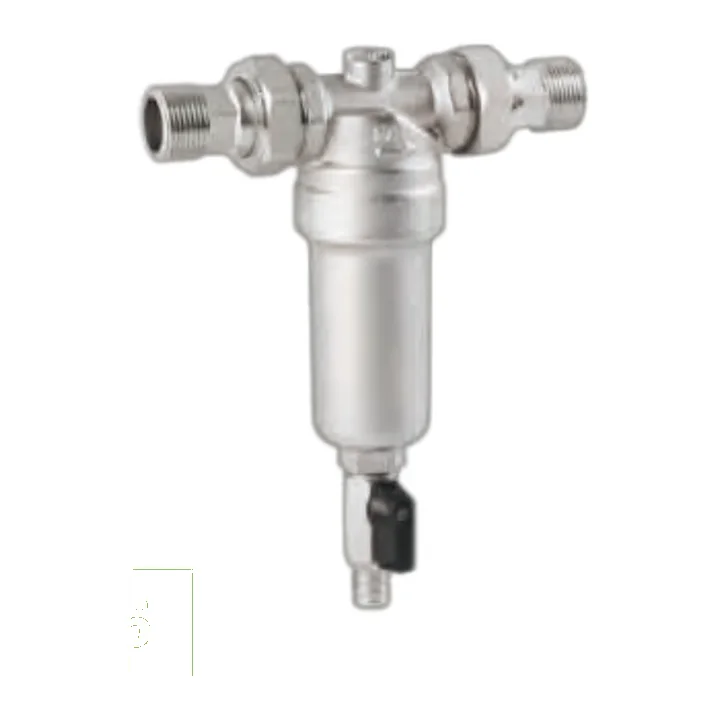
Valves and safety devices
14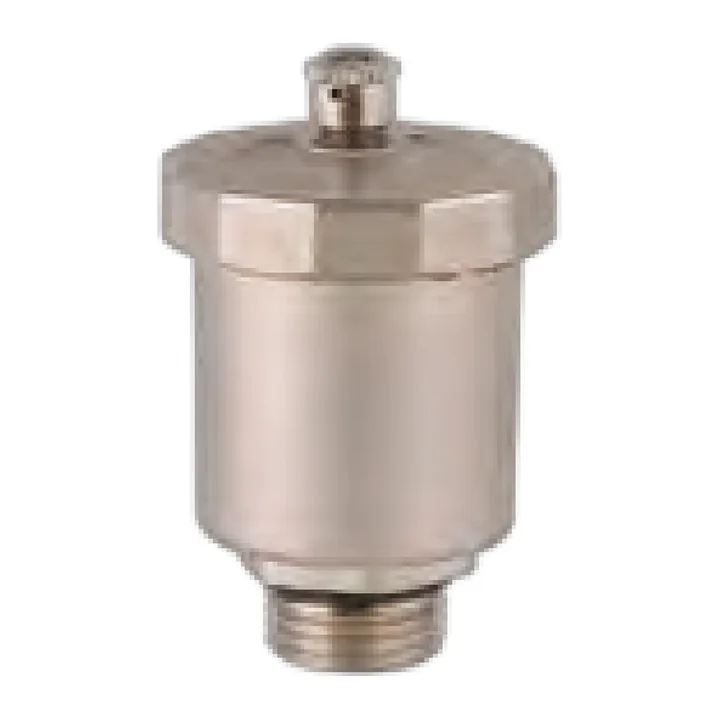
Fittings, pipe and tools
12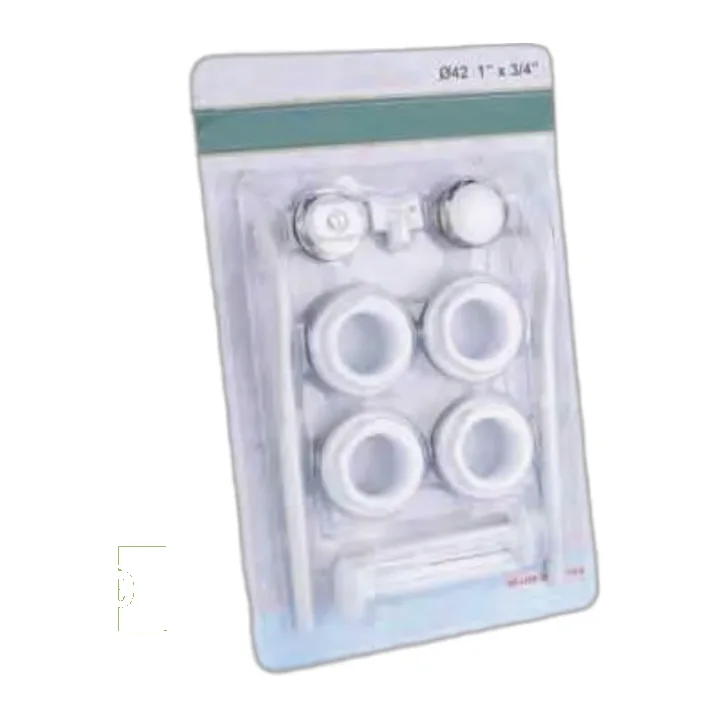
Standard specification
| Standard specification | Manifold | Mixing valve | Balancing valve |
|---|---|---|---|
| Body alloy | CW617N (EN 12165) | HPb57-3 | CW617N (EN 12165) |
| Insert / spindle | CW614N (EN 12164) | CW614N | CW614N (EN 12164) |
| Seals | EPDM | EPDM | EPDM |
| Nominal pressure | PN10 | PN10 | PN16 |
| Test pressure | 10 bar / 60 s | 10 bar | — |
| Working temperature | ≤75 °C | ≤100 °C | −20…120 °C |
| Short-term peak | 90 °C | — | 120 °C |
| Glycol, maximum | — | — | 50% |
| Main connection | 3/4″–1″ | 3/4″–1″ | 1/2″–2″ |
| Branch connection | 1/2″ | — | 1/2″–2″ |
| Branch centres | 36 / 38 / 40 mm | — | — |
| Test port | — | — | G1/4″ |
| Thread standard | ISO 228 | ISO 228 | ISO 228 / EN 10226 |
What we check before it ships
The alloy, not the word “brass”
CW617N and CW602N resist dezincification; H58 and CW614N in a wet body do not. We ask for the mill certificate, and on a first order we cut one open.
Threads to gauge
ISO 228 go / no-go on every batch. A thread that is 0.1 mm tight still turns by hand, and leaks at 6 bar.
Seals and cure system
Sulphur-cured EPDM smells of rubber and fails on glycol; peroxide-cured does not. We read the compound sheet, not the colour.
Pressure and leak test
100% at 10 bar for 60 seconds, recorded. A sampled test is no test at all for a manifold that will be poured into a floor.
These are the standard figures for this line, not a stock list. Tooling, plating and packing move the price; we quote against your drawing.
All categoriesYour product is not on the list?
These sixteen are the lines we run most often, not the limit of what we can source. Send a photo, a drawing, or the item you buy today.